Estate Stars Youth Leaders Club
The Mentoring Lab Community C.I.C


A summary
This is a free weekly after-school youth club for young people aged 8 to 18 living on and around the Hindle House estate. It is delivered by The Mentoring Lab Community CIC.
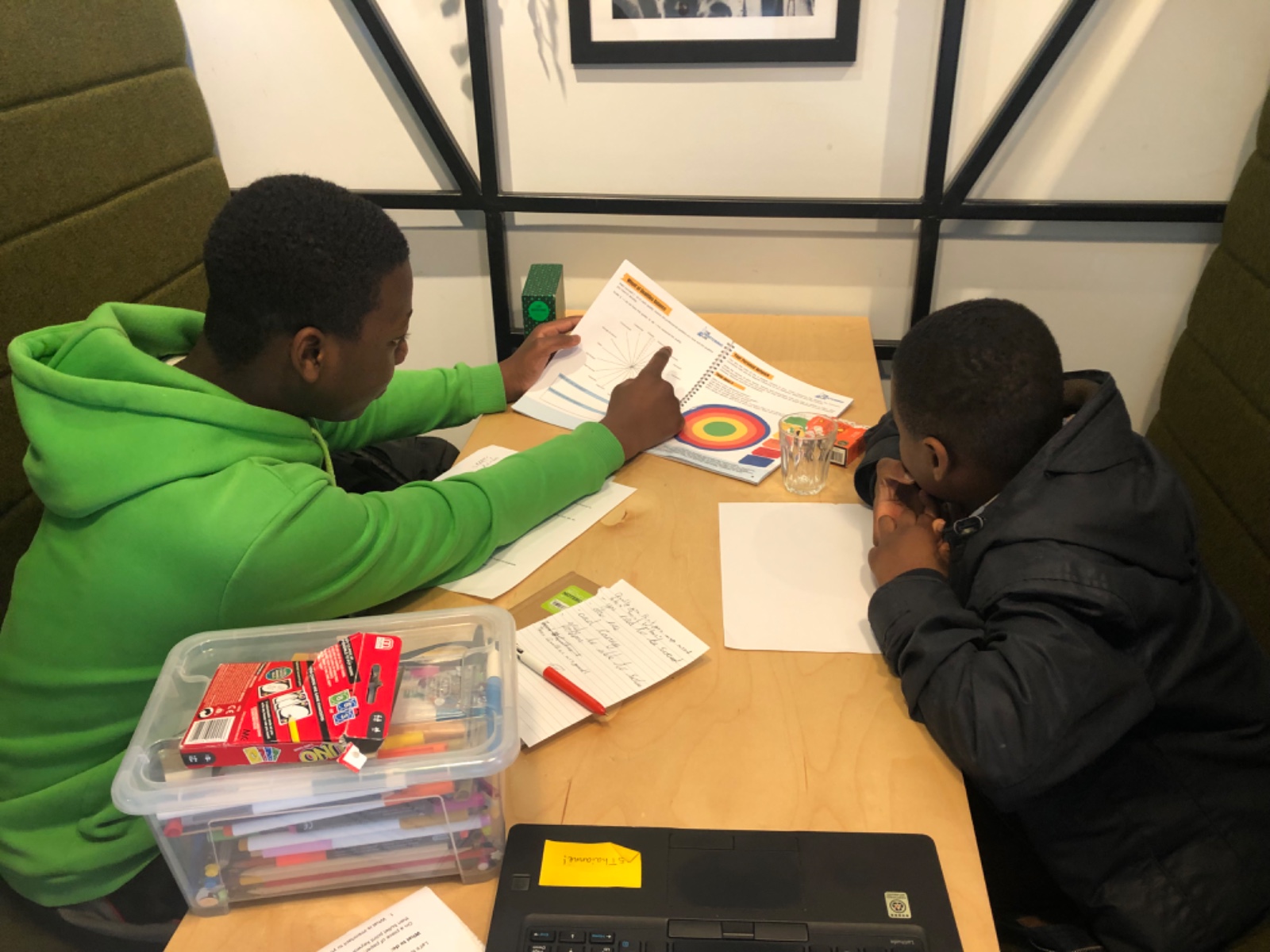
Each week we help with study skills and explore topics like, staying focused at school, having safe friends, values, social media usage, neurodivergence and decision making.
We are a youth mentoring organisation with over 30 years of experience working with young people and families across Hackney and East London. This project is in partnership with Southern Housing.
This is not just a youth club. It is a space where your child is genuinely known, genuinely valued, and genuinely supported by trained mentors, qualified peer leaders, and a team that is here week after week, not just for a term.
Children aged 8 - 16 years old
What your child will do each session;
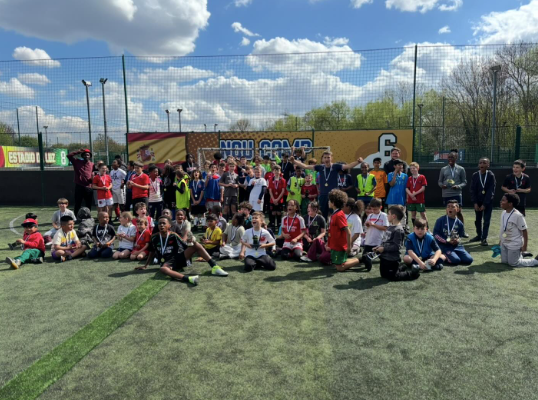
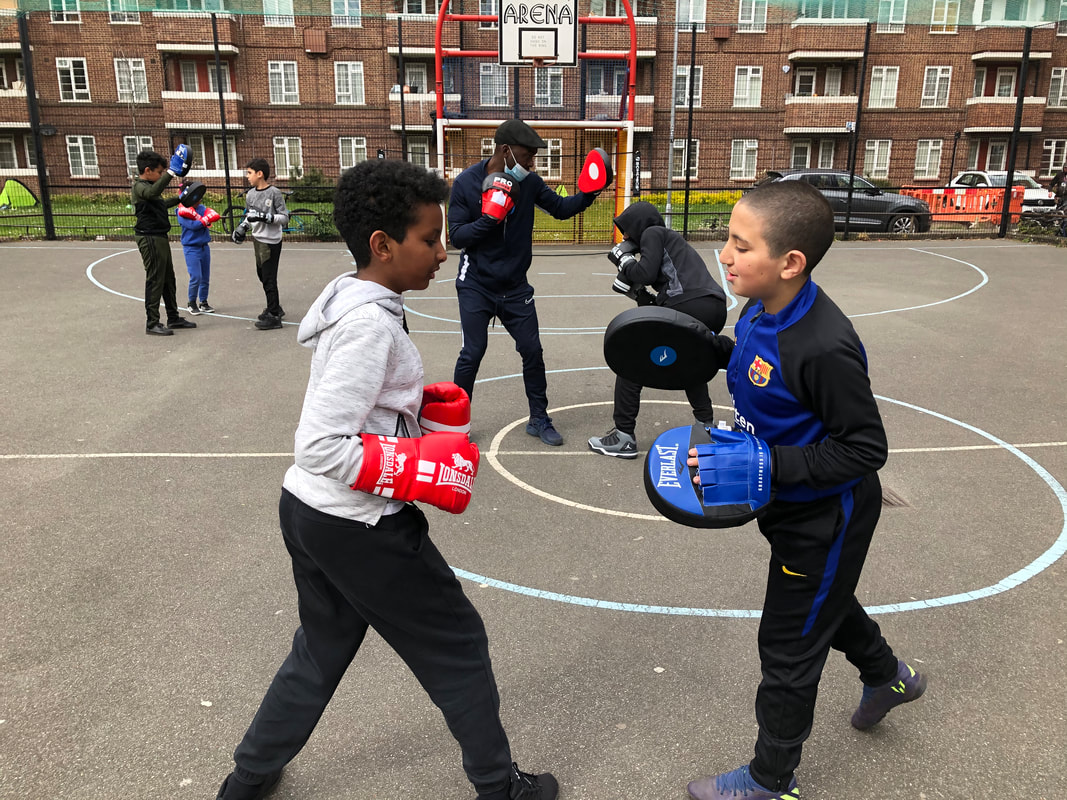
6pm - 7pm, we will develop your child's character and qualities to excel, through sports, team challenges and creative thinking.
7 - 8pm the session slows down to explore and discuss school challenges, health and wellbeing; through activities including
- Public speaking
- canvas painting
- round table talks
A after-school meal is served, alongside a fruit salad and smoothie bar.
If you need to collect your child after 7pm because of work, that is absolutely fine. We run a supervised wind-down until 8pm so you never need to rush or worry.
Youth Leaders (ages 14–18)
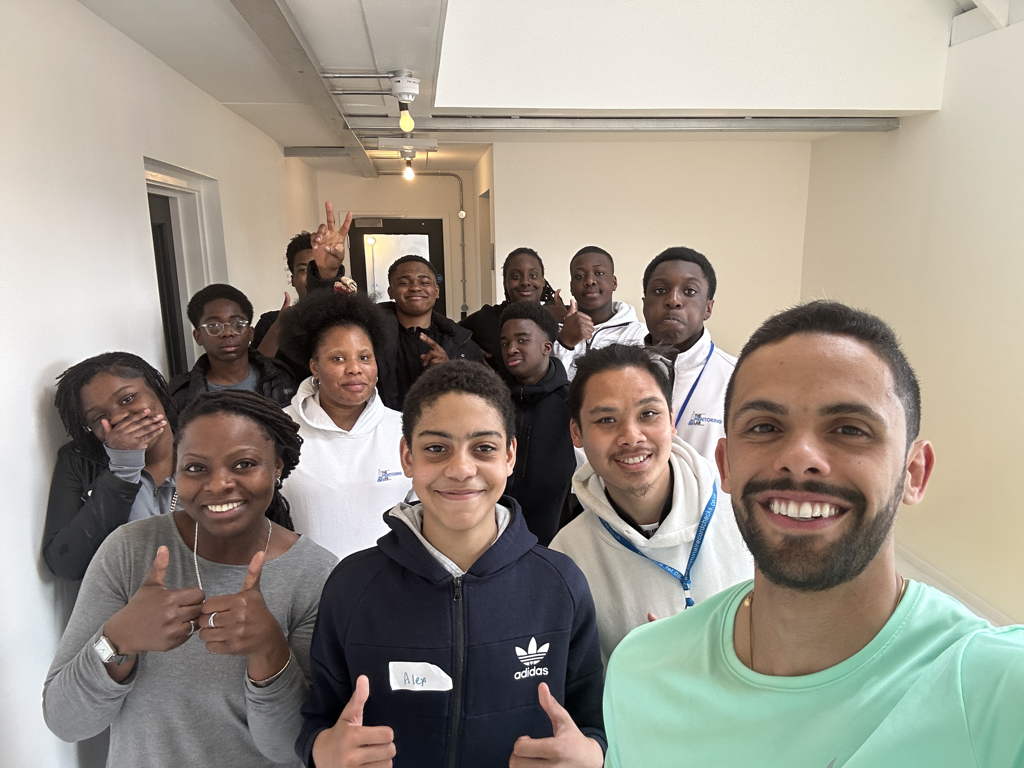
Young people aged 14 to 18 can apply to join our Estate Stars Youth Leaders cohort. In the first four sessions, they complete a peer mentor training programme, after which they take on real, recognised roles co-delivering the programme alongside our staff. This is accredited and can be used for CVs, UCAS applications and apprenticeships.
What this programme builds toward
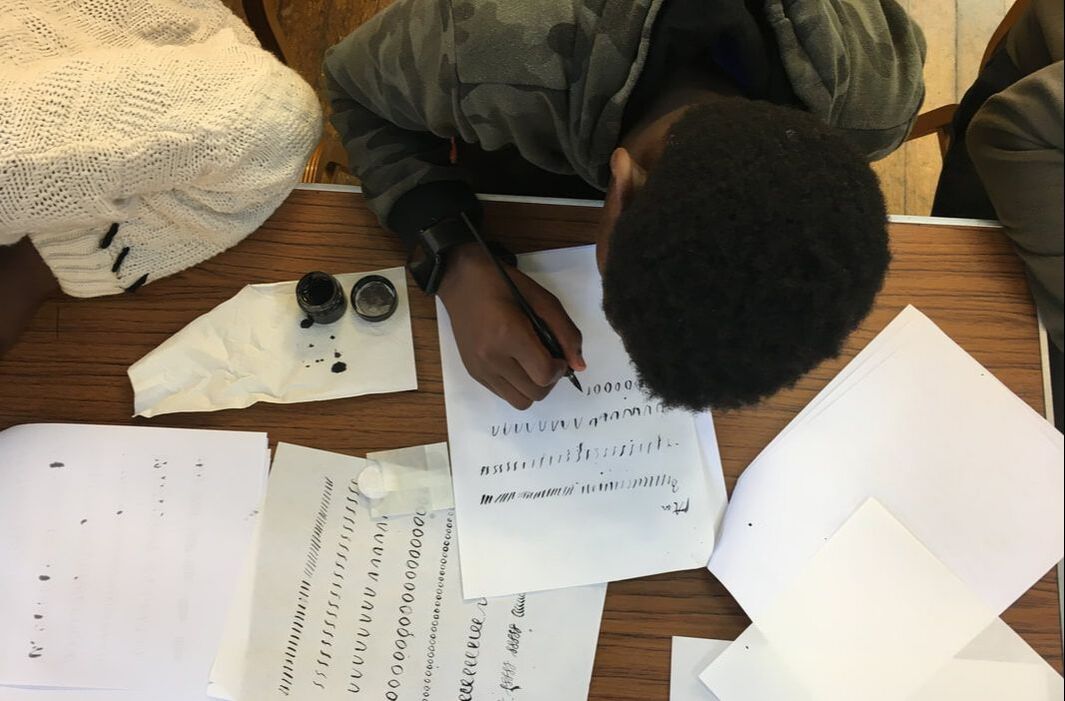
Participants will have created a podcast episode, a public speaking performance, and artwork, that they can be proud of. Each young person also receives a personalised Zones of Regulation First Aid Toolkit to support their emotional wellbeing, and a monthly extracurricular timetable of local activities and opportunities, put together with them based on their own interests and goals.
The programme closes with a community showcase event, a proper celebration, open to families and invited guests, where young people present their work and achievements publicly.
For parents and carers
Alongside supporting your child, our team is available for conversations about anything your child might need. We can help with information, signposting, free counselling with Wellbeing Assured and warm referrals to Southern Housing's community team and attached services, housing, mental health, debt advice, employment and more. We will never push you, but we are always here when you are ready.
If your child has any medical needs, dietary requirements or additional needs, please ensure these are fully recorded on their registration form. All staff hold enhanced DBS checks.
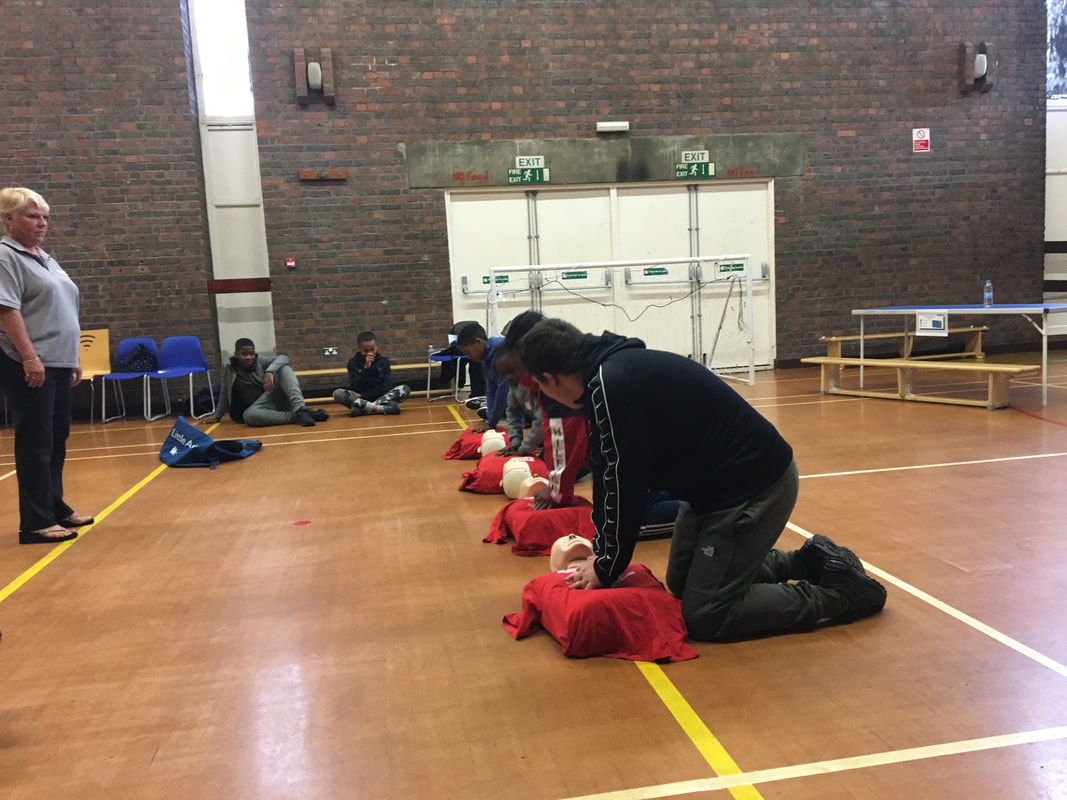
Elaine Thomas is our Safeguarding Lead and holds a current Paediatric First Aid certificate. Our safeguarding policy is available on request.
Tickets
Child Ticket
£0This ticket is free for all Hackney Youth
Child Ticket
£0This ticket is free for all Hackney Youth
What makes this model different
We are a Youth Mentoring First organisation. That phrase means something specific to us. It means that before the activities, before the projects, before the sports sessions and the showcases, we prioritise the quality and depth of the mentoring relationship. Everything else grows from that.
Our model has been built over more than 30 years of frontline practice and is documented in the Youth Mentoring Tool Kit (3rd Edition, 2025), a nationally recognised resource endorsed by Barnardo's, Metro Charity, Compass Wellbeing and the Association of Youth Mentors. It aligns with the Mayor of London's New Deal for London standards and the European Mentoring and Coaching Council (EMCC) competency framework. It draws on evidence-based approaches including the GROW model, Zones of Regulation, Cognitive Behavioural Therapy principles, Johari's Window, and SMART goal-setting, all adapted for the specific ethics and boundaries of youth mentoring practice.
What makes this model different
Most programmes are built around activities. Ours is built around relationships. We walk alongside young people not for 12 weeks but for one to four years. Real change takes time. The families we work with have often been on the receiving end of short-term interventions that arrived, generated some data, and then disappeared. We don't do that. Families know we're here beyond the programme. That staying power — that genuine, sustained presence, is what makes transformation possible rather than just likely.
We are a Black led organisation, founded by a youth mentor who grew up inside the same communities she now serves. Our staff and mentors reflect our participants — not as a policy commitment, but as a lived reality. That is not incidental to our model. It is the foundation of the trust that makes the model work.
Our Youth Mentoring Model
The four stages of our mentoring process: Reflect, Explore, Reframe, Develop
Every mentoring relationship, one-to-one or within a group setting like Estate Stars, moves through four stages.
Reflect — We begin by creating a genuinely safe space that is non-judgmental, and anchored in the understanding that a young person's experience of the world is real and valid. Using tools coaching and mentoring tools young people learn to identify where they are emotionally before we ask them to go anywhere else. This stage is about being heard before being guided.
Explore — We explore young people's existing strengths — resilience, creativity, community knowledge, the survival skills that never get recognised in a school report — and we build from there. We use tools to begin identifying where they want to go, including towards opportunities they may have been told were not for people like them.
Reframe — Here we work gently with the beliefs that are keeping young people stuck. Using De Bono's Six Thinking Hats, CBT principles, and Perceptual Positions, we help young people look at their situation differently — not by dismissing the difficulty, but by opening up the possibility that it is not the whole story.
Develop — With a clearer sense of who they are and where they want to go, young people move into action. SMART goals are set collaboratively. Accountability grows, not to us, but to themselves and to the commitments they have chosen to make. As confidence builds, many young people aged 14 can progress into peer mentor roles, becoming for someone else the trusted consistent adult they themselves needed. This is the cycle our model is designed to create and sustain.
SEND accessibility checklist
1:1 care
2:1 care
Qualified to administer medication
Epilepsy trained
Secure environment
Accessible toilet
Assist with personal care and toileting
Hoist and changing bench
Wheelchair accessible site
Autism awareness trained
Sensory or quiet spaces
Makaton trained
PECS trained
Please note:
If you see a question mark, please contact the Mentor to discuss your specific needs regarding this item.
About your mentor
The Mentoring Lab Community C.I.C
The Mentoring Lab Community C.I.C
We prioritise Youth Mentoring and provide a range of mentoring projects and opportunities that support youth progression. This includes long term one-to-one, group and career mentoring, youth-led projects and work experience opportunities, that allow young people to achieve their goals and targets.
Learning aims
Aim 1
Aim 2
Aim 3
Location
What's provided
Safety
Enhanced DBS
Basic DBS
Risk Assessment
Public Liability Insurance
Safeguarding Training
First Aid Training
First Aid Kit
Smoke Detector
Please note:
It is the responsibility of the booker to satisfy themselves about the adequacy of the measures provided above and any other details represented in this listing. This platform is merely an introducer and does not verify the items listed.
Cancellation policy
Free bookings do not require refunds but as places are limited, please cancel if you cannot attend so that your place can be offered to someone else.
My experience consists of a leisure activity, on a specific date(s), and therefore the 14-day ‘cooling off period’ under the Consumer Contracts Regulations 2013 does not apply.