What we'll do✨Who Can Attend
These EHCP+ sessions are designed for young people with an EHCP from the ages of 8 - 19. The sessions will involve lively - and sometimes boisterous - physical activity, which may not suit all young people with an EHCP, especially those with a low tolerance to noise. The sessions are also based on working in pairs, so verbal communication is essential, unless a parent is willing to work with their EHCP youngster on the mat - you’ll be very welcome! Parents/carers are welcome to bring their young person at 4.15 pm and stay to watch the session, which finishes at 5.30 pm - free tea/coffee/biscuits are available for you while you're waiting! And parents are also very welcome to participate in our session free of charge if you would like to - it really won't be scary, and we think you'll enjoy every minute! Please let us know in the comments when booking if you would like to take part in the session.
✨What You'll Need to Wear
Just wear clothing that's easy to move around in, like jog pants and a t-shirt or sweatshirt (not a hoody - the hood will catch in someone's arm). We train in bare feet on the mat, so please bring a pair of sandals/crocs/slides to put on when you're off the mat. We have separate changing male/female changing areas and toilets in the hall if you want to get changed when you arrive.
By the way, please note that we’ll ask you to remove watches, bracelets, necklaces, earrings, studs and any other jewellery before you come on to the mat, as these are a safety risk for you and the other participants.
✨What Else Do I Need to Bring?
We'll be moving around for a lot of the session, so please bring some water in a leak-proof container with you.
Courtesy, Kindness, Respect
We support EHCP children and adults with their emotions and wellbeing, using (as needed) a ‘Take Five’ approach to give time for everything to settle down. And at Milton Keynes Aikido Club all session participants and club members are treated with courtesy, kindness and respect.
✨A Typical Session at Milton Keynes Aikido Club
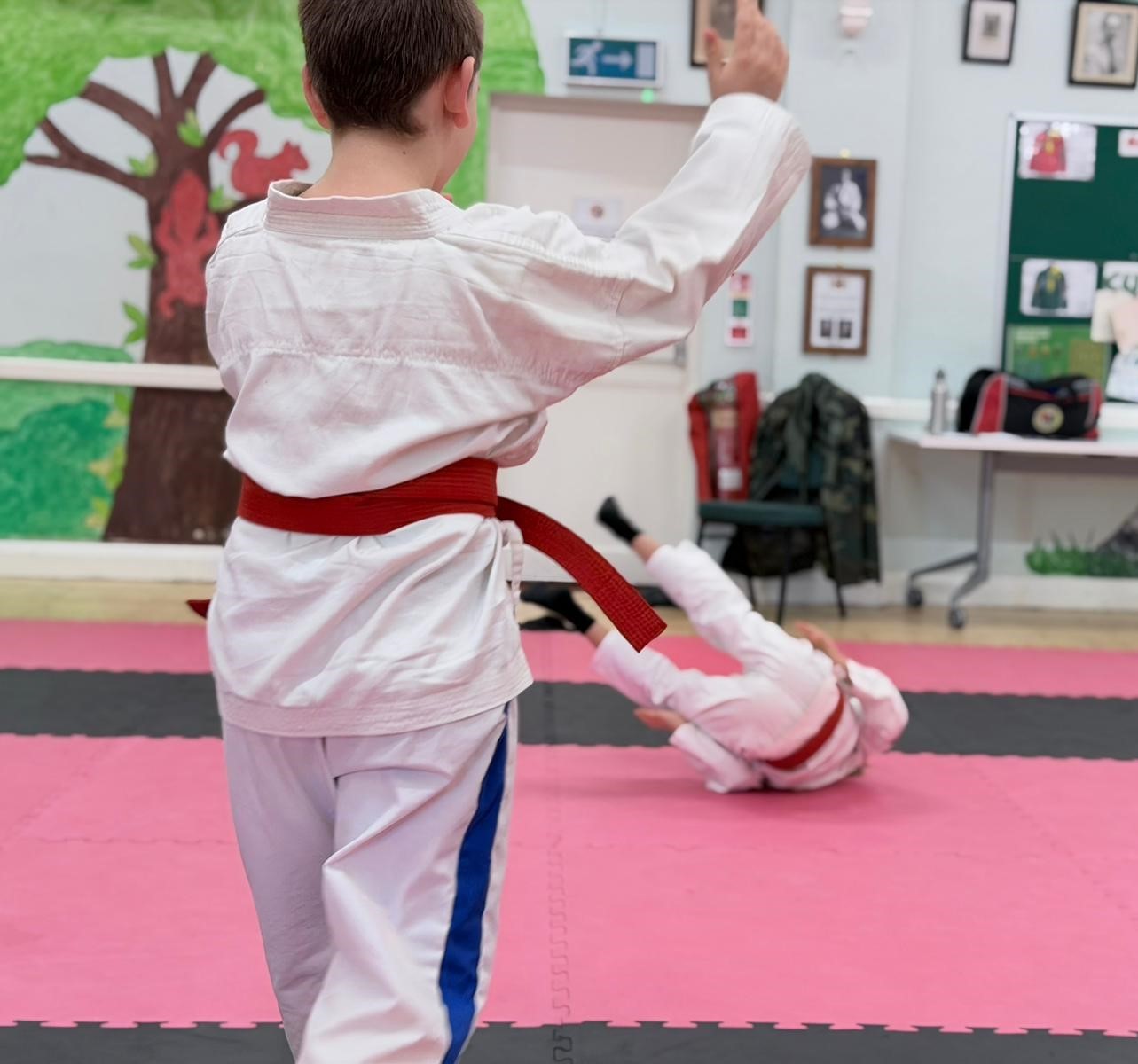
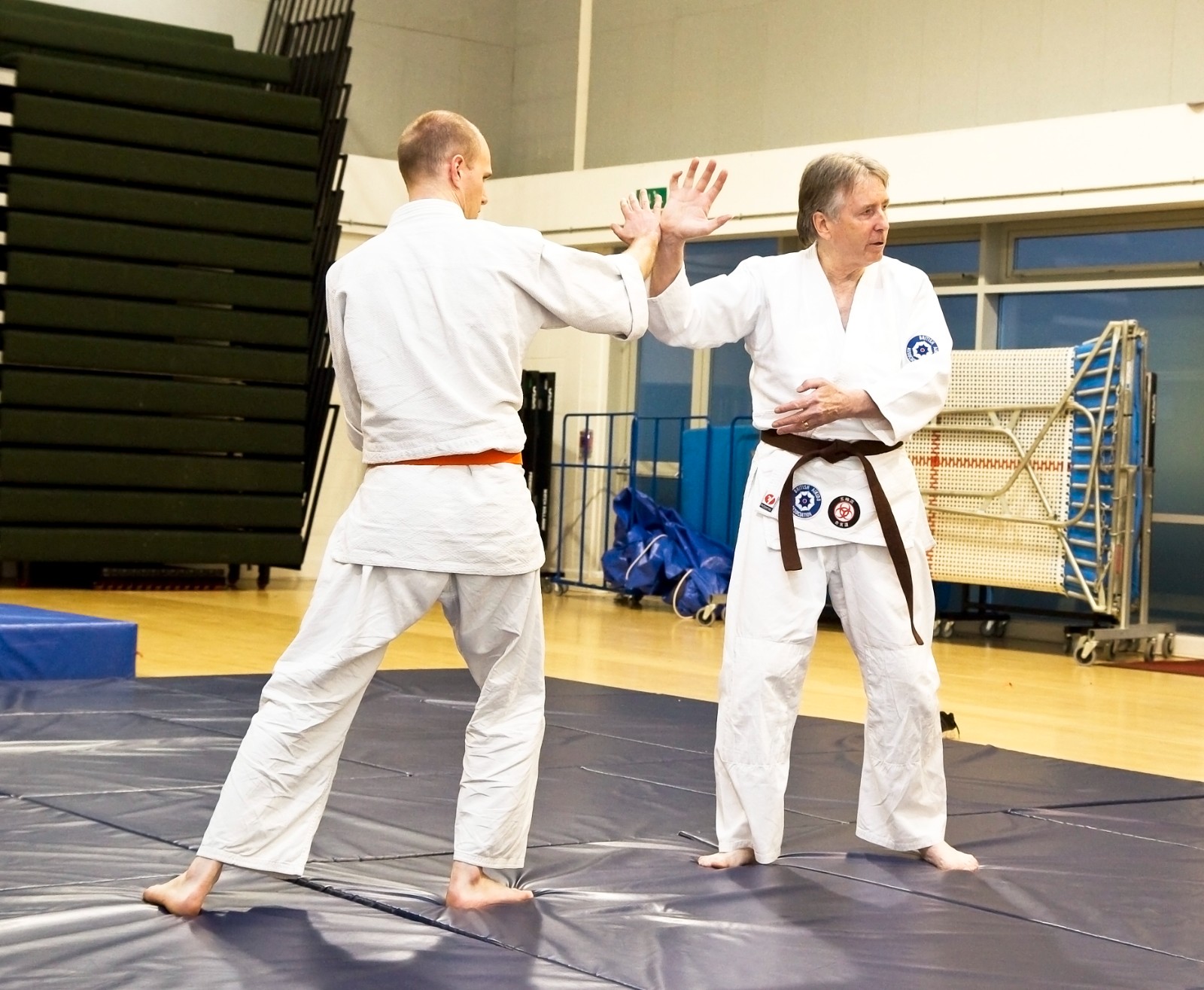
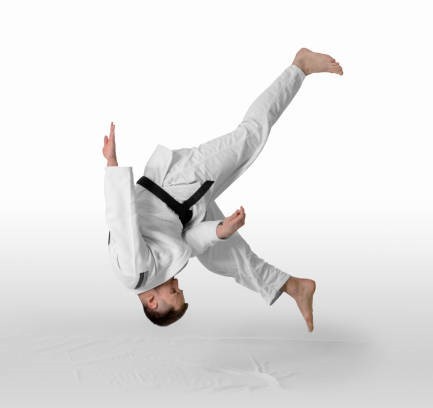
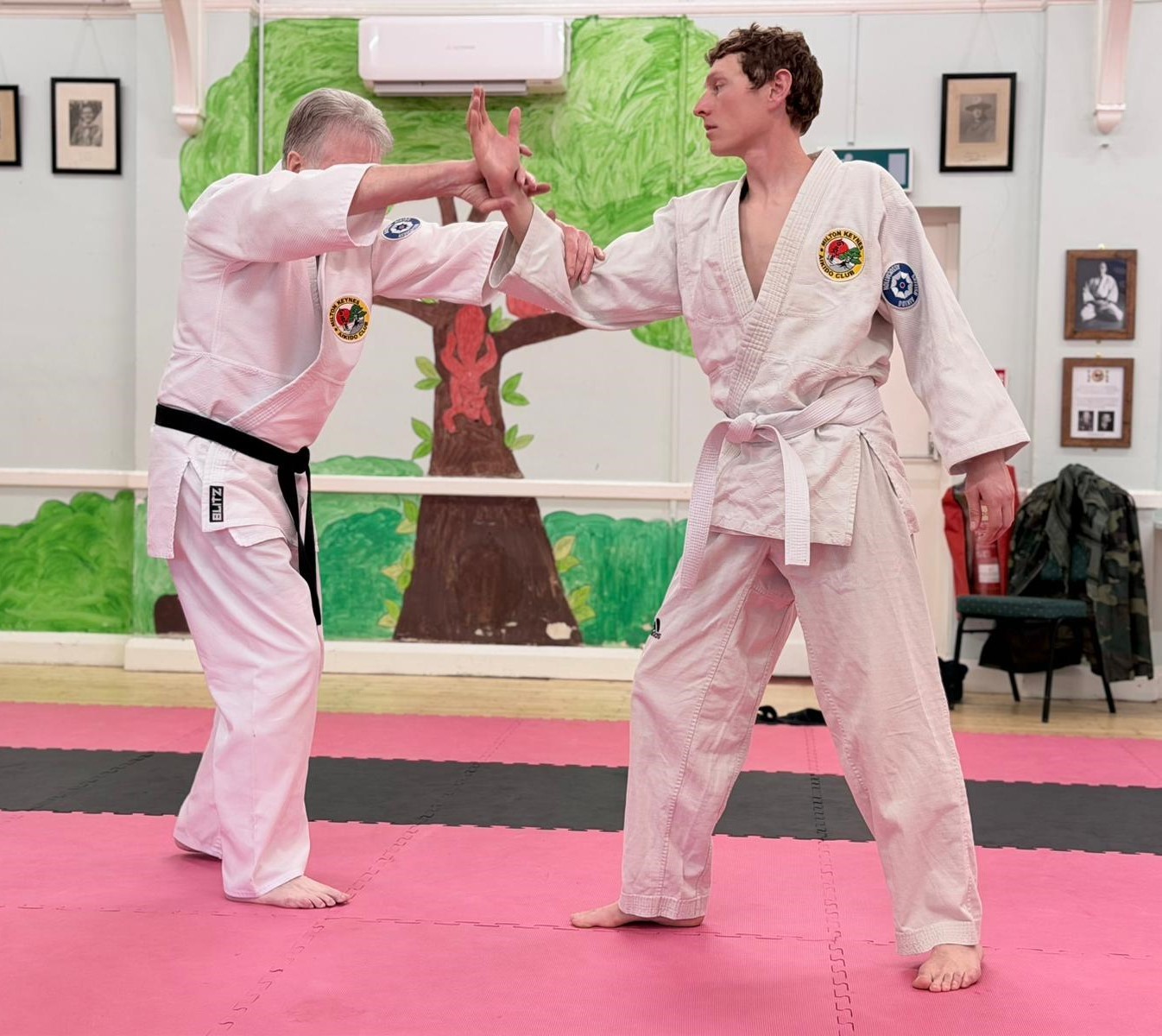
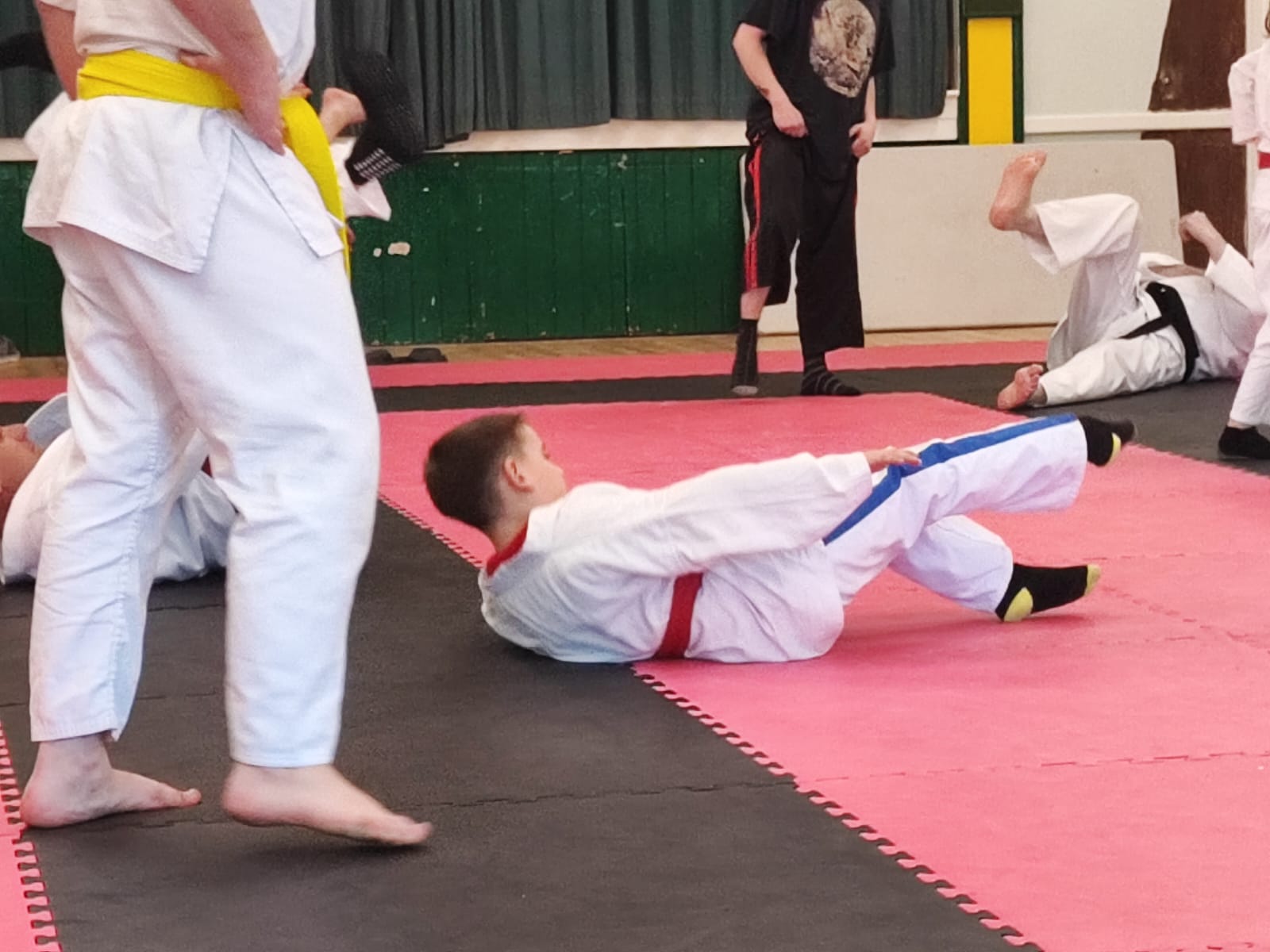
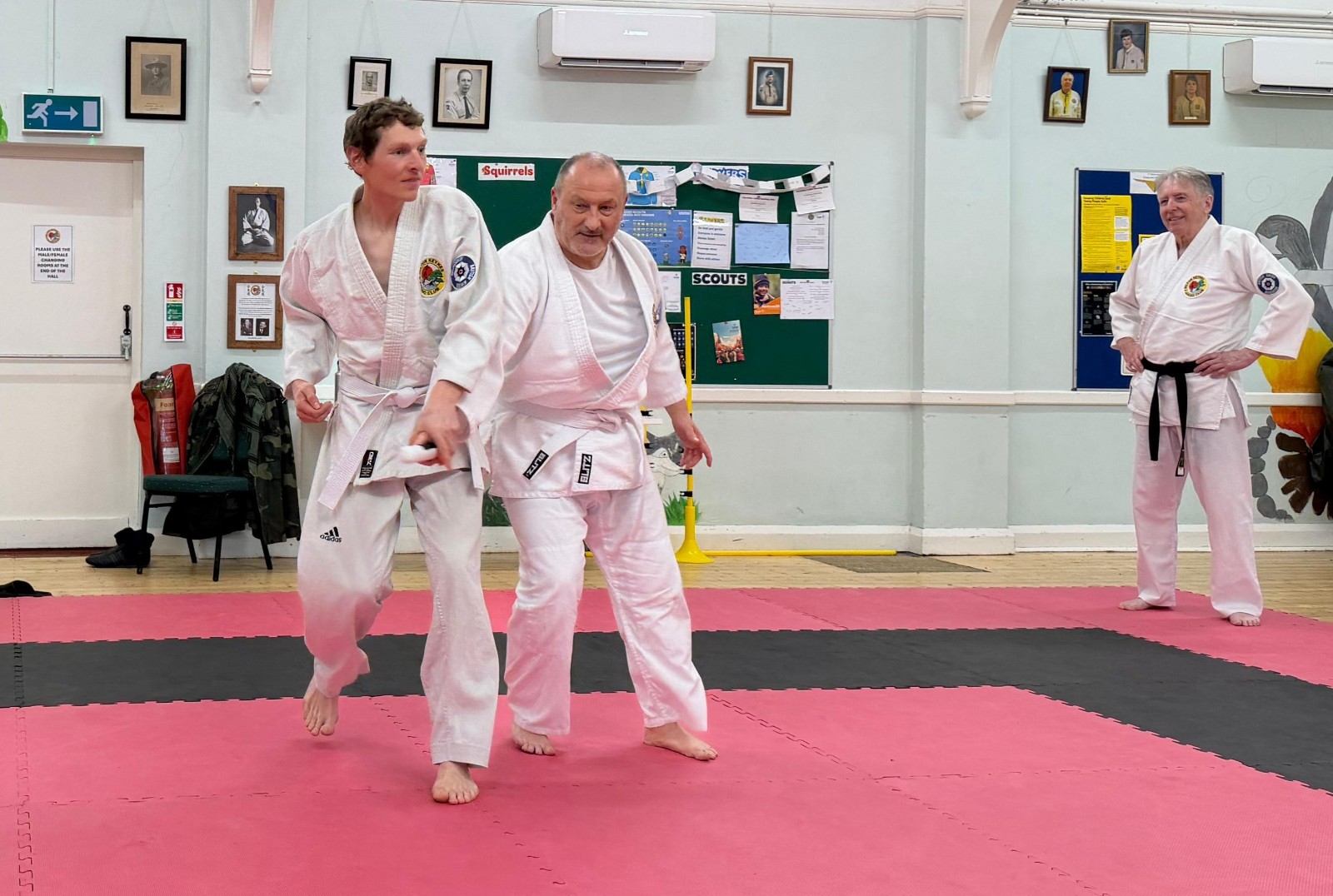
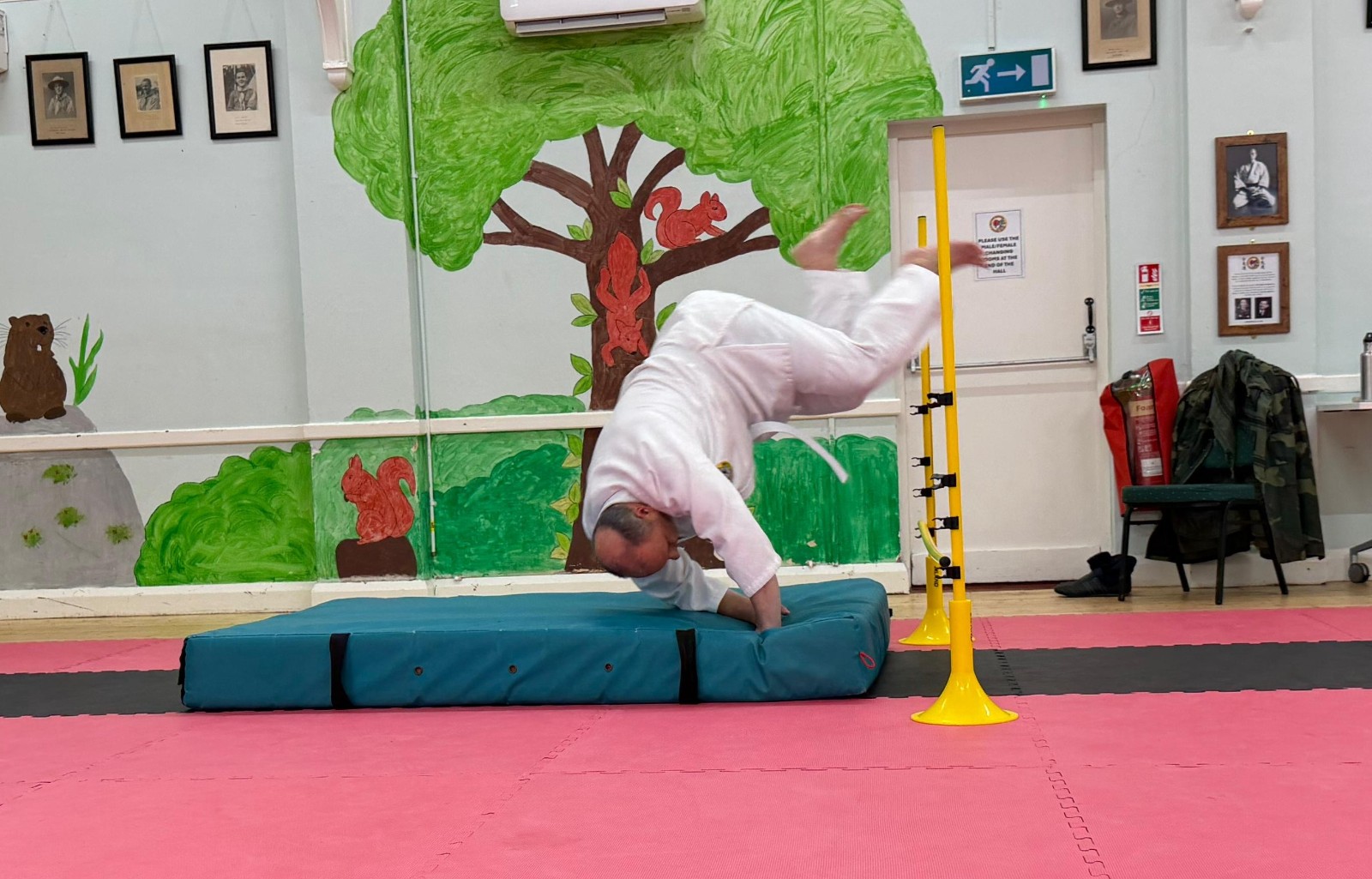
We usually begin each training session with a gentle warm-up and some stretching exercises, and then we'll teach you some simple footwork drills, introduce you very gently to our breakfalling practice, and then move on to teaching you some of the basic aikido kata (attack/defence) techniques in pairs. It's important to say at this point that we will never ask you to attempt any techniques, throws or breakfalls before you feel ready and confident to do so. For example, it usually takes several sessions before a new student feels confident enough to attempt a forward rolling breakfall from a standing position, so we always start everything at mat level and work our way up slowly.
After basic drill and kata revision, we then move on to the "new bit" in each lesson, which might be a new kata technique or a variation, or sometimes a bit of basic self-defence.
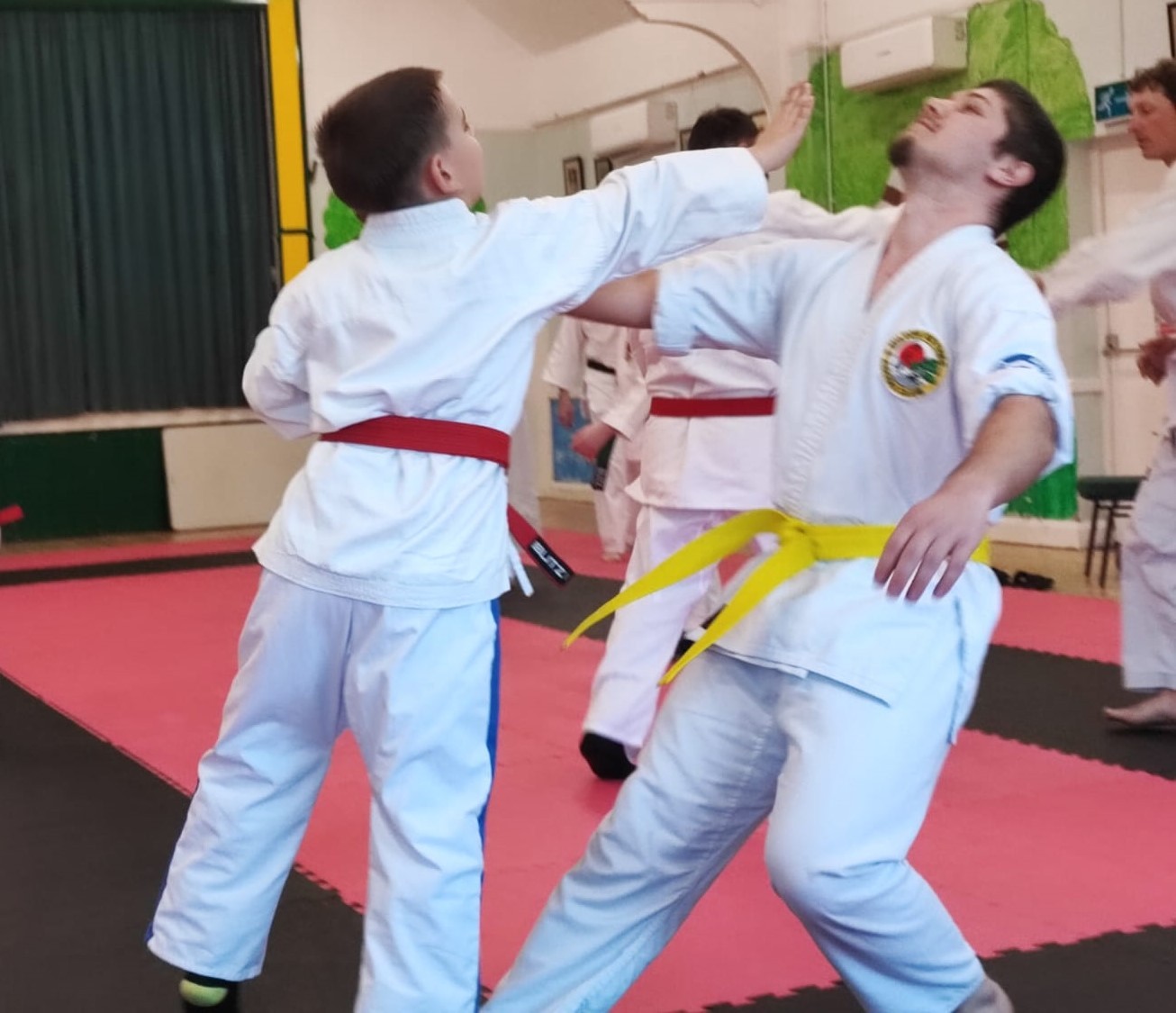
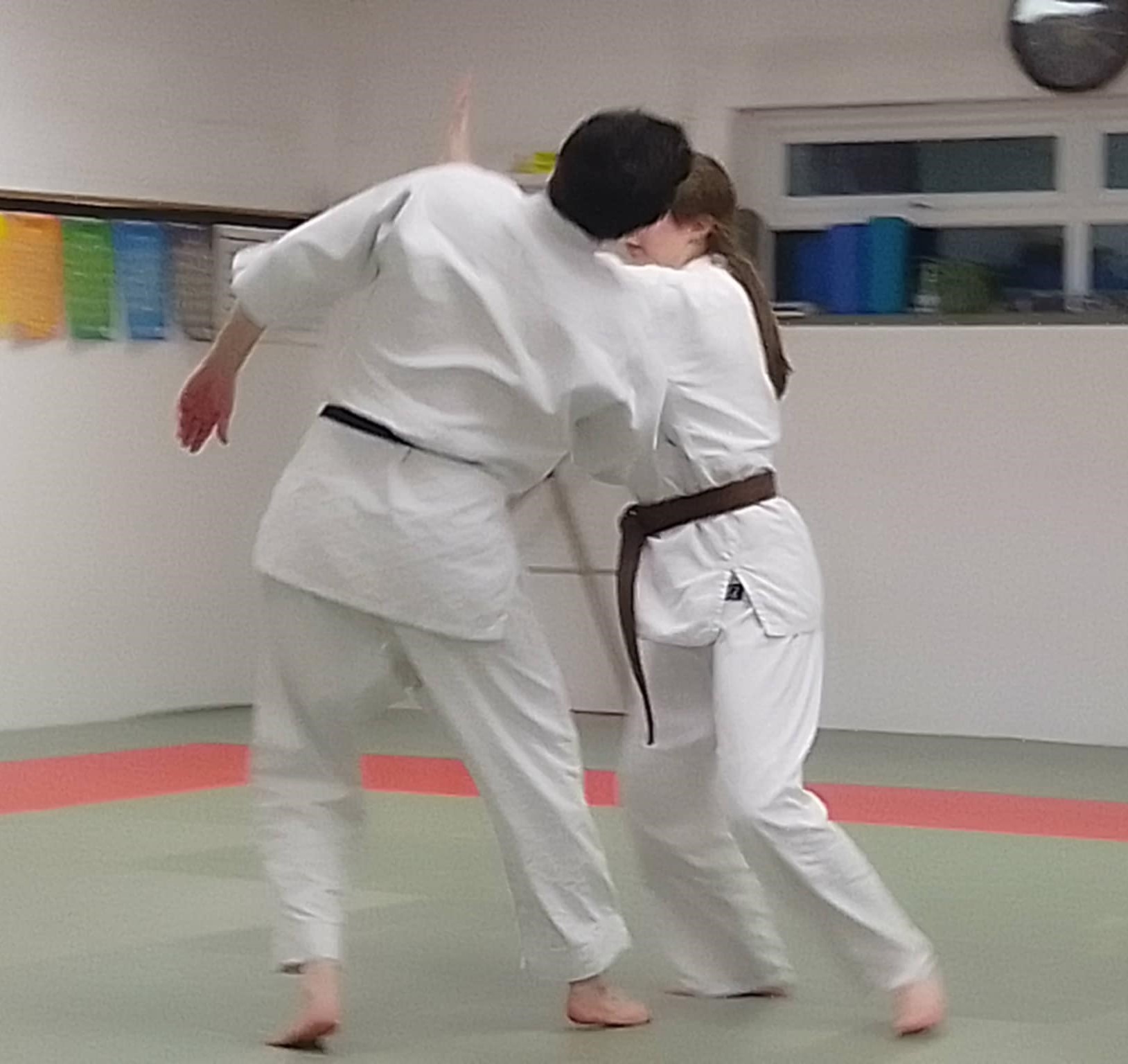
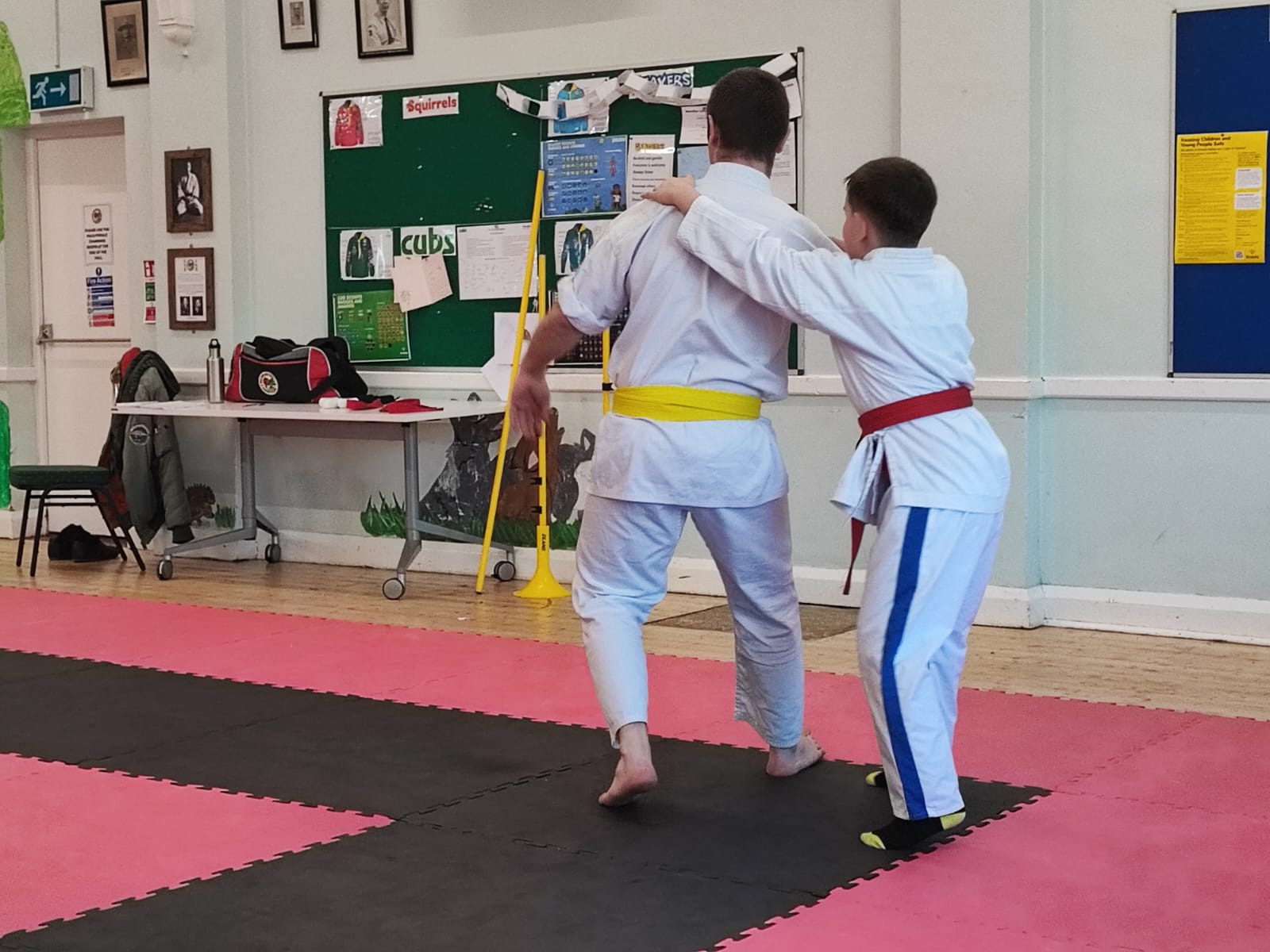
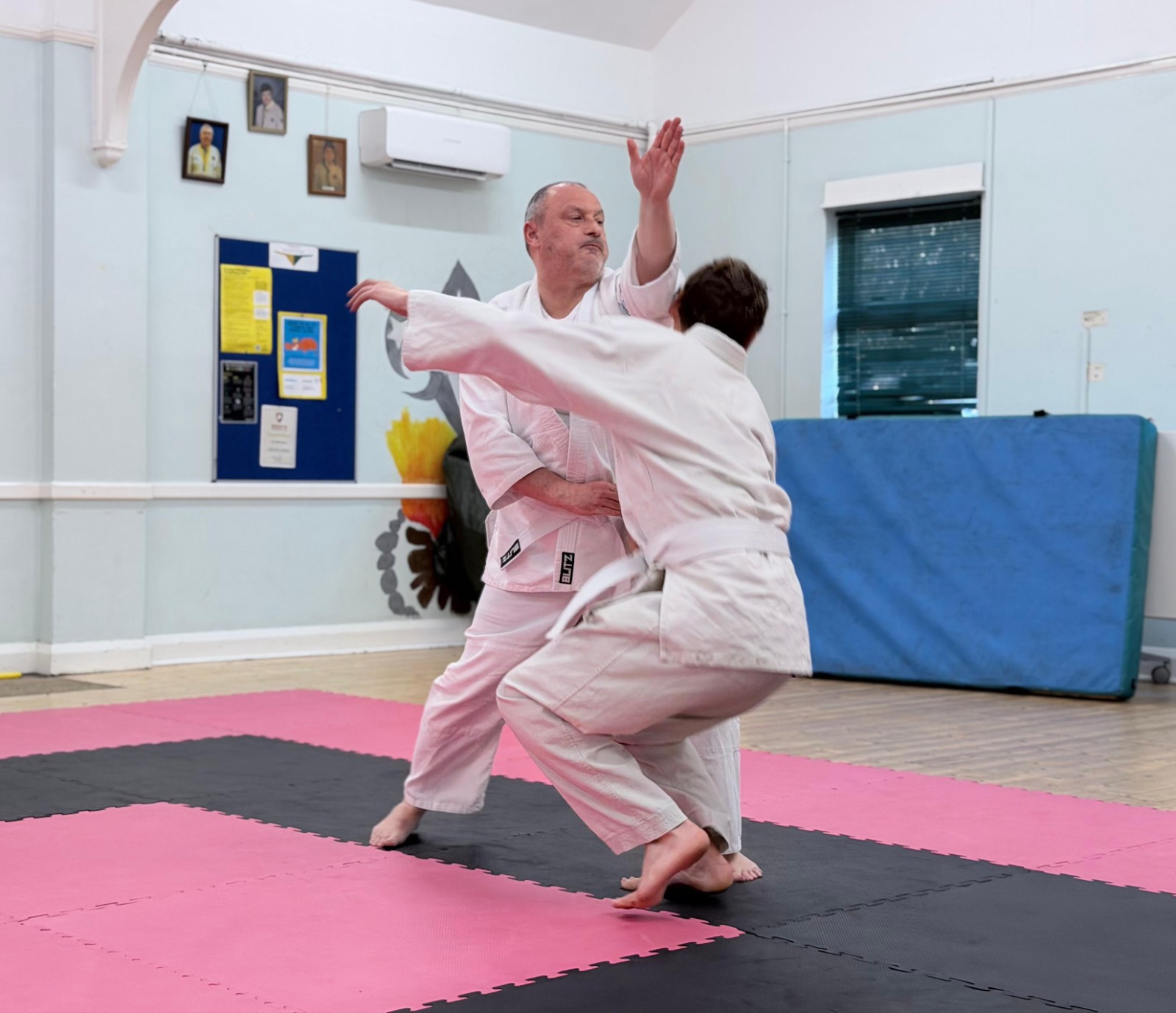
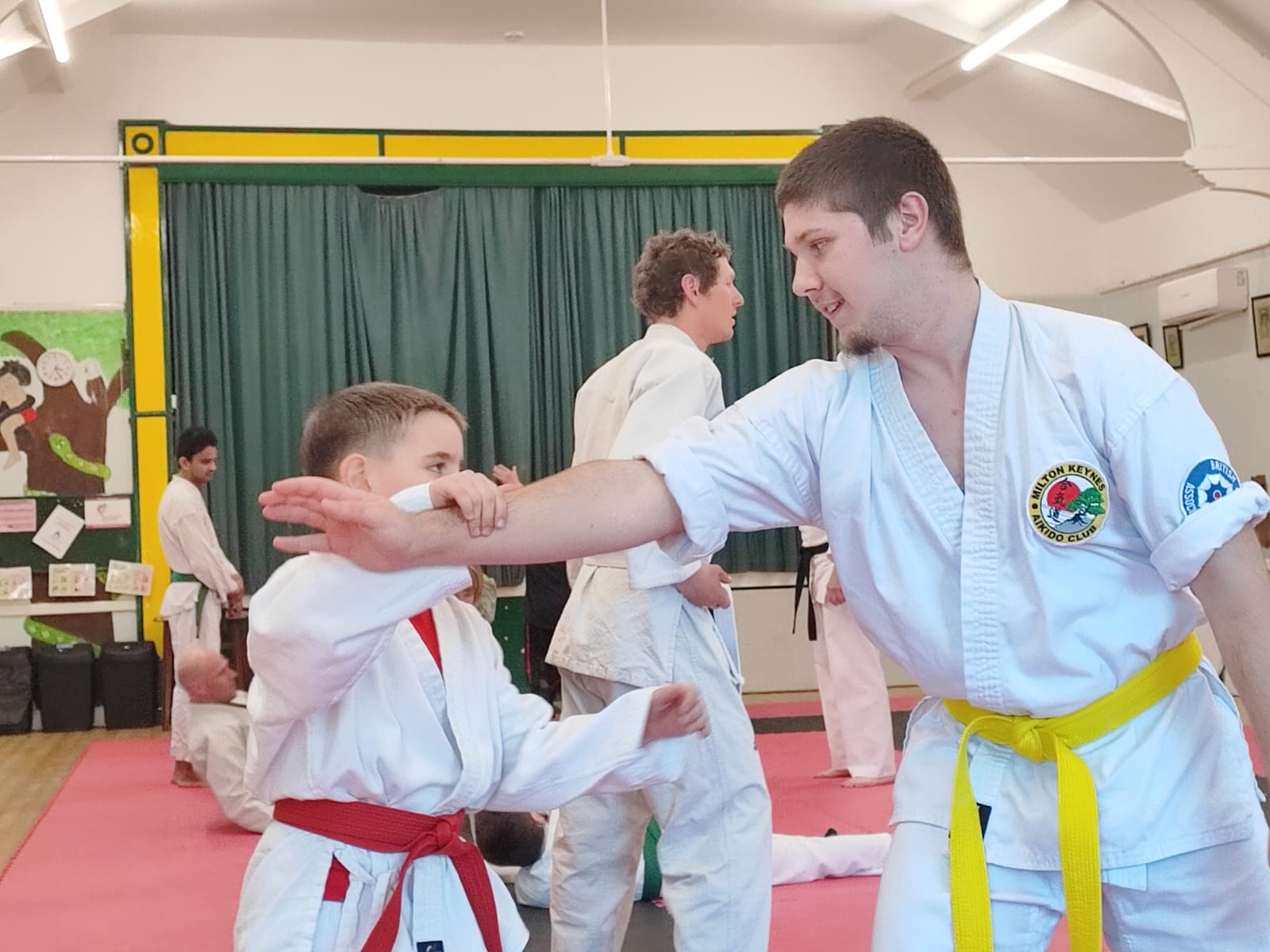
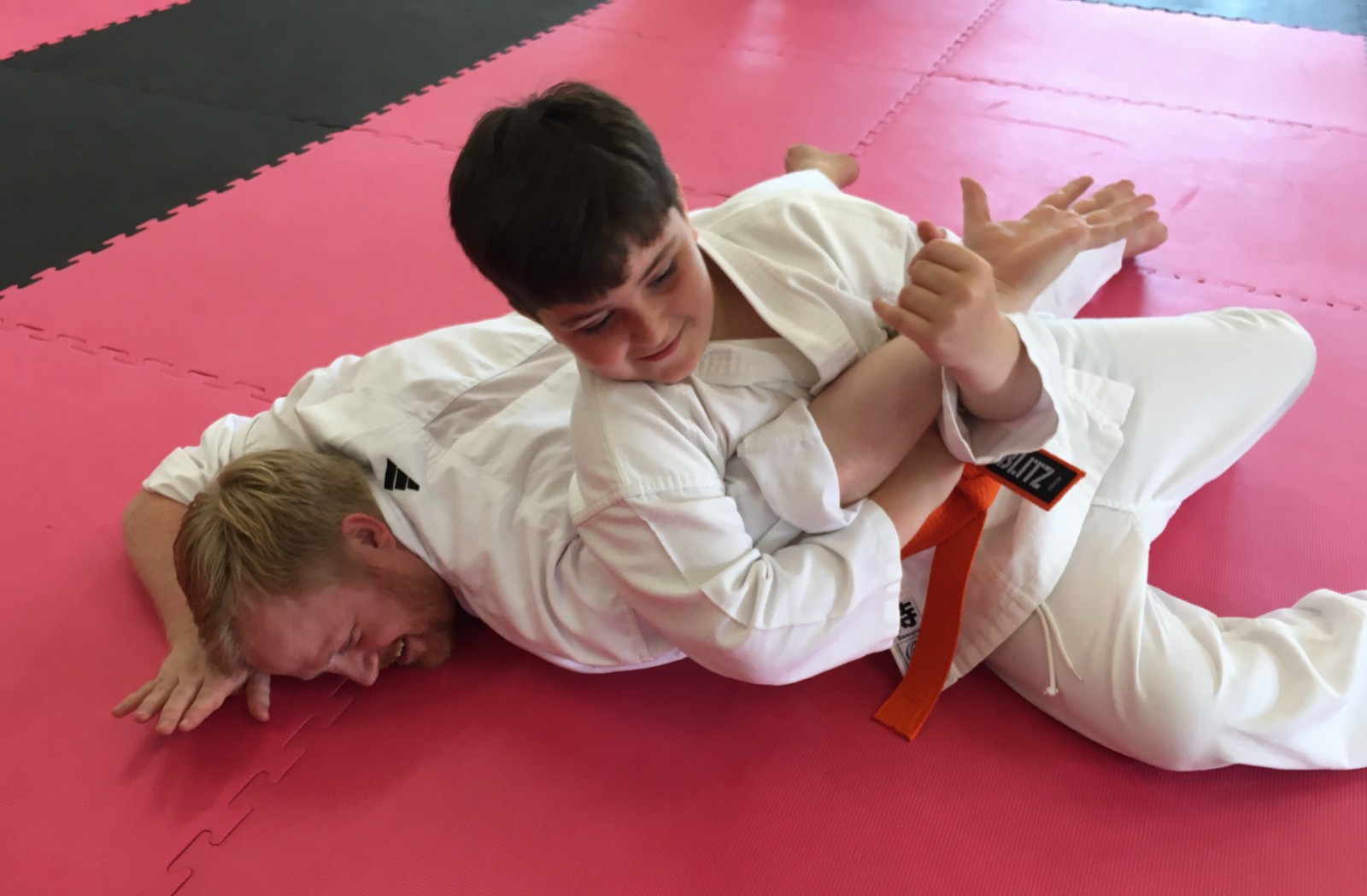
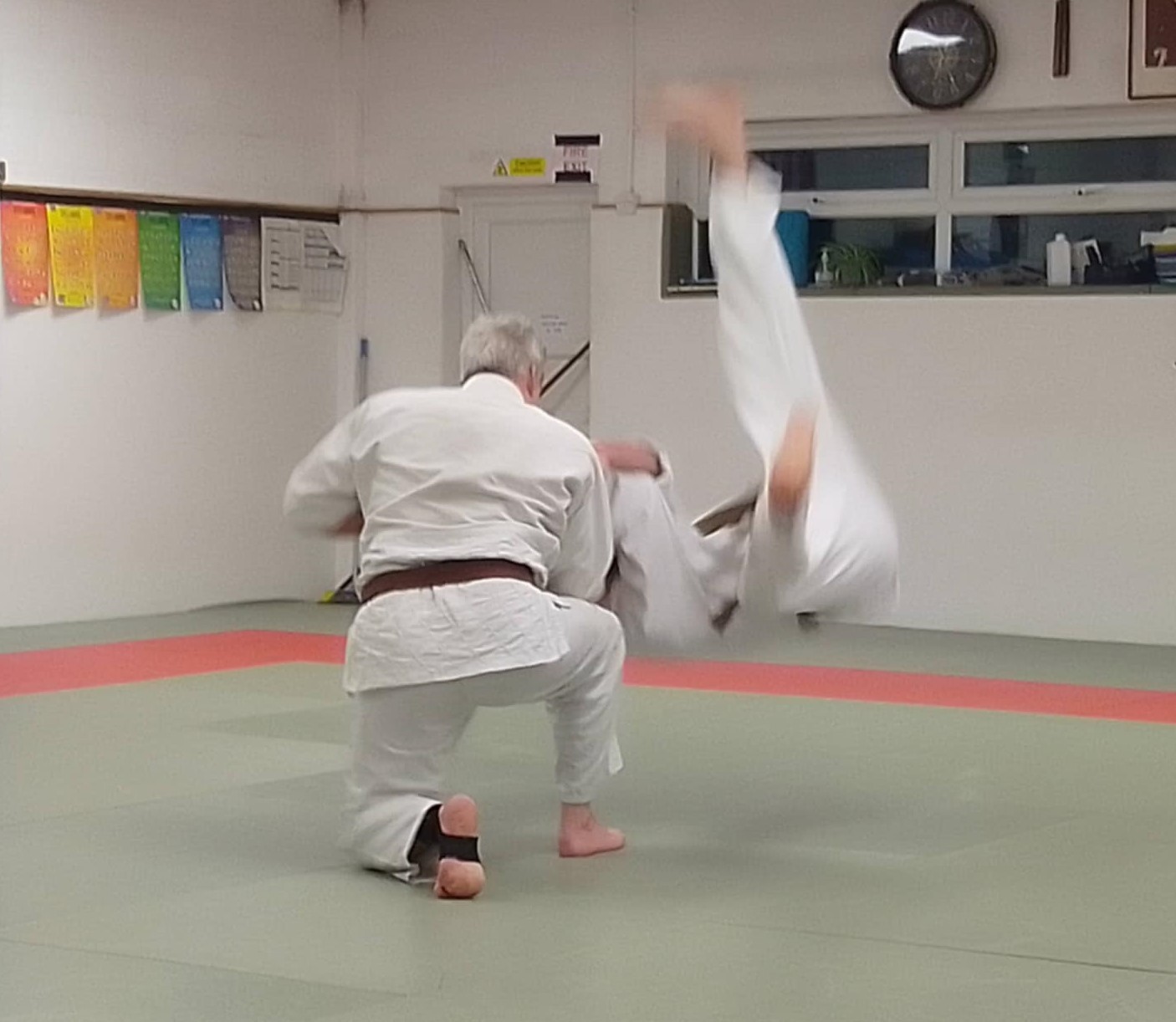
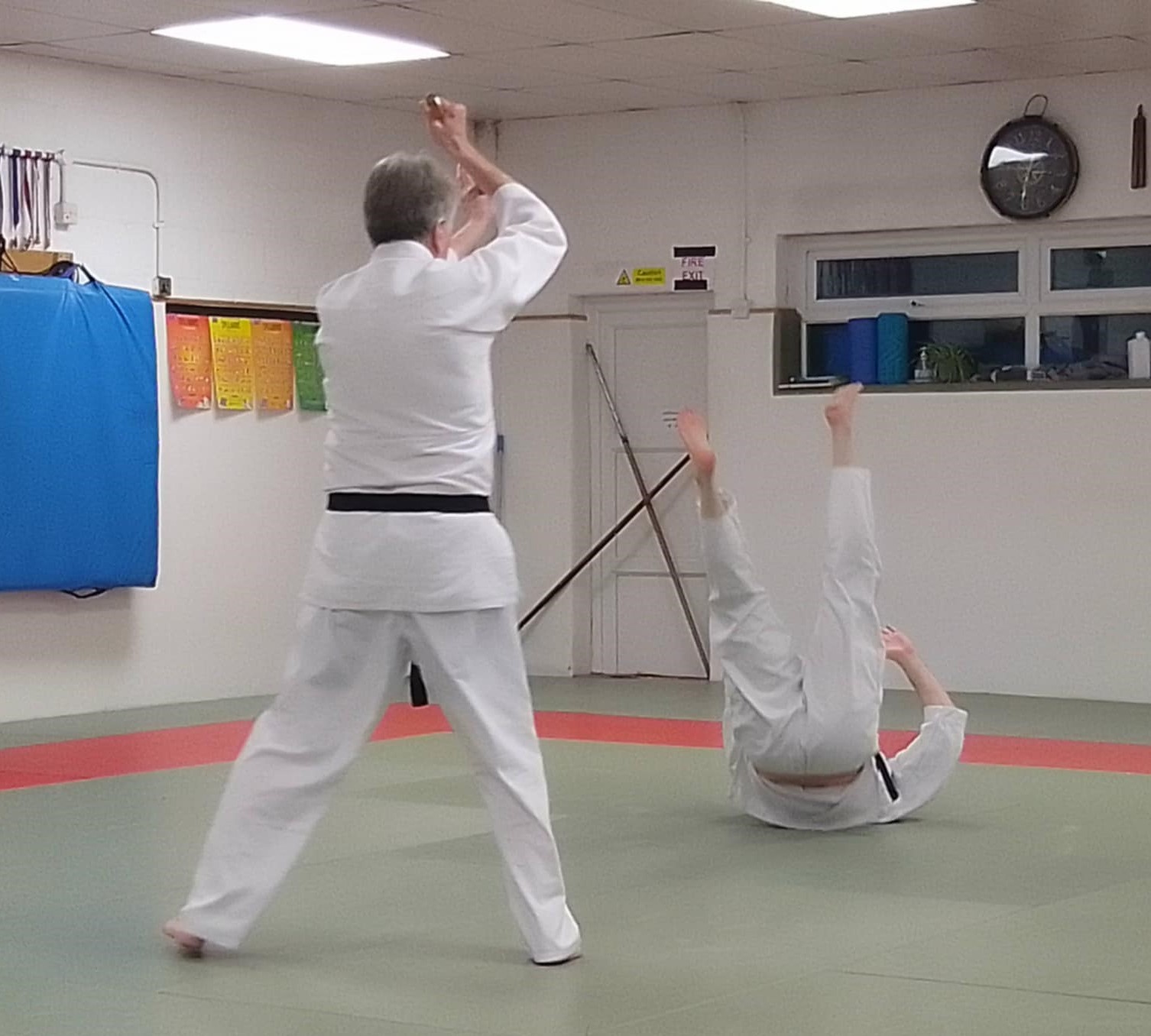
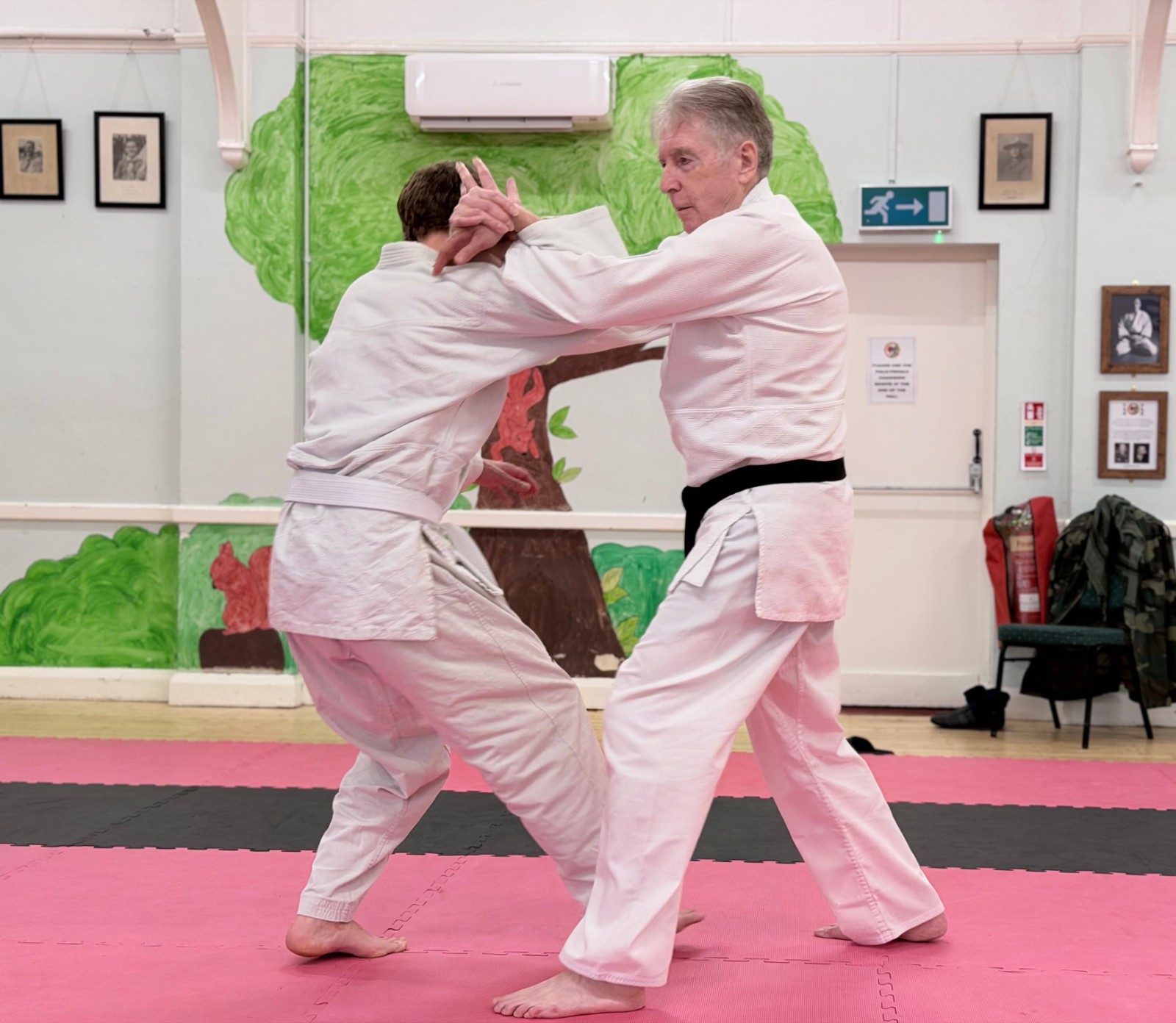
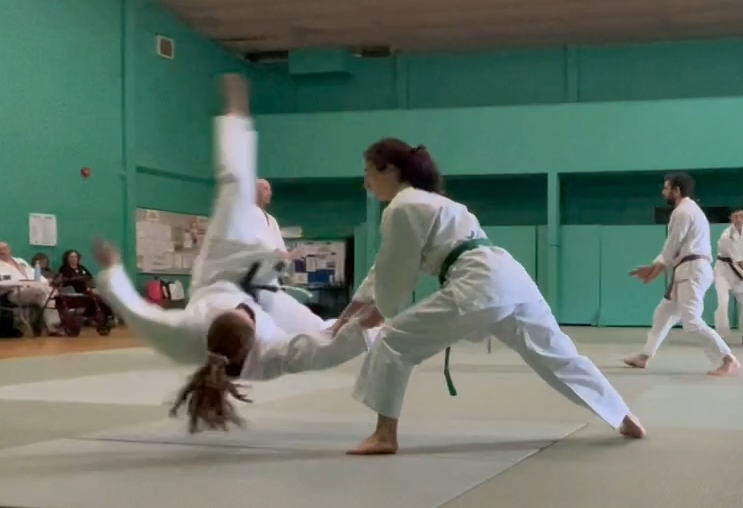
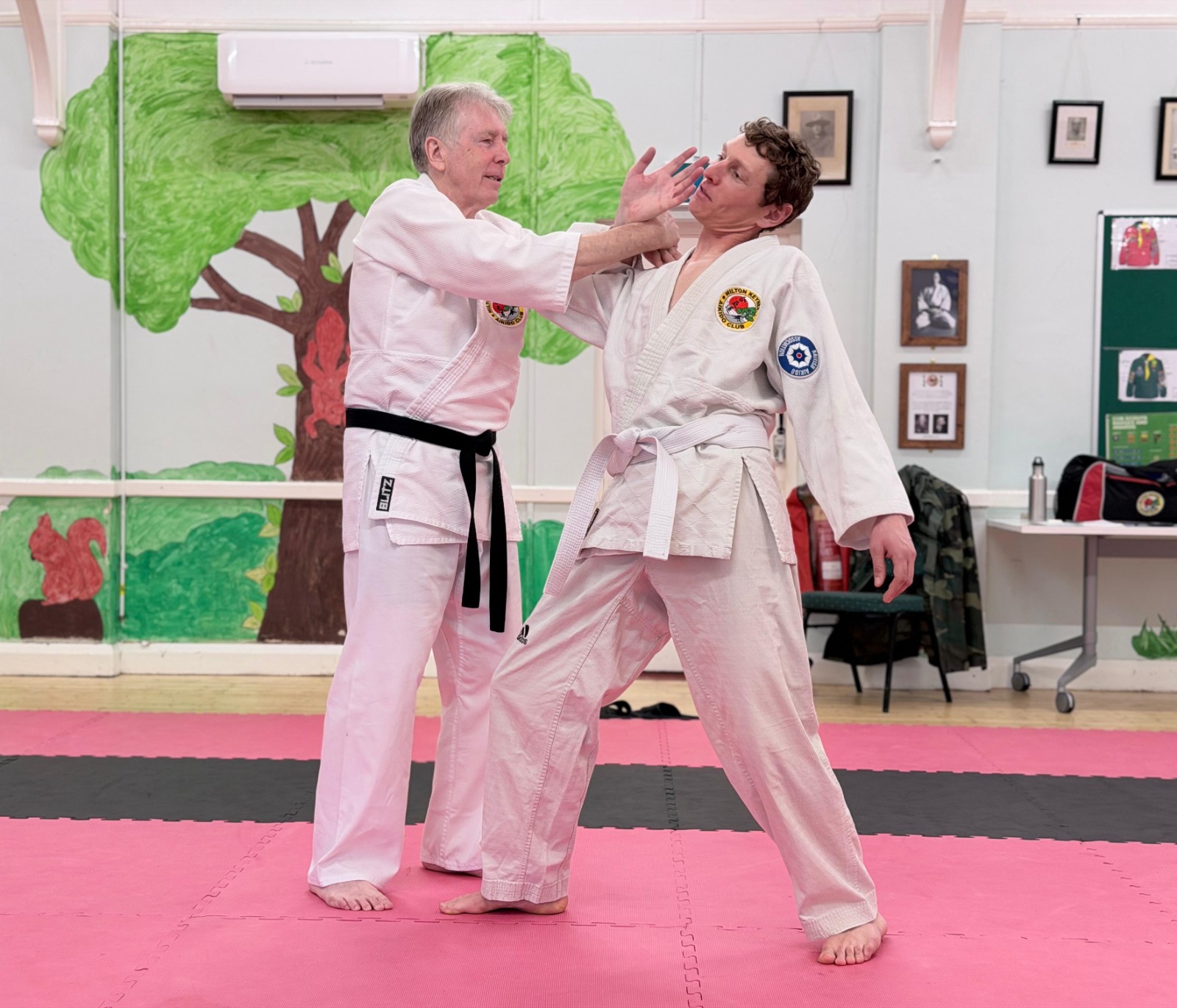
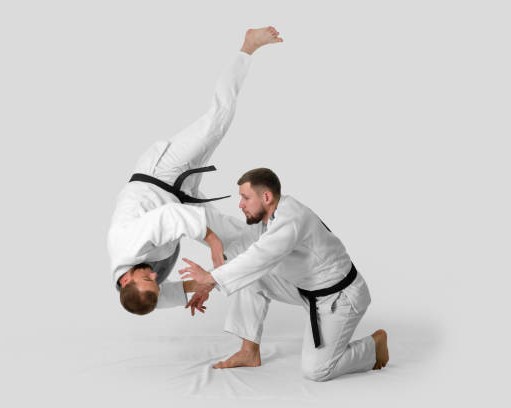
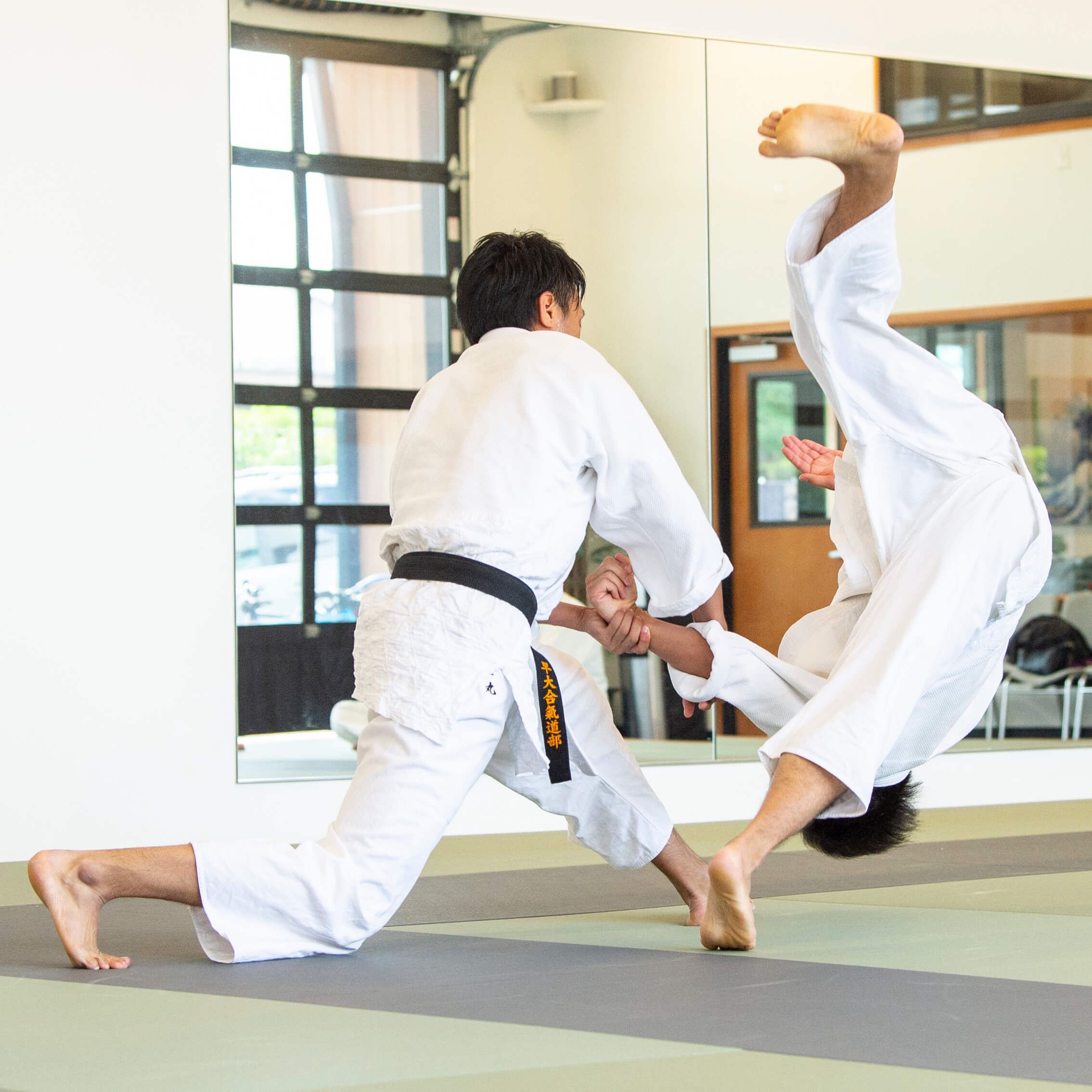
And we always include aikido "freeplay" in our training sessions, which gives you the chance to try out some simple self defence techniques at a flowing pace and against more rapid "attacks" by your training partner. And sometimes - just to keep everyone on their toes - we throw in freeplay against two opponents! Freeplay involves lots of movement and avoidance, and it's a great way to gently increase your fitness and flexibility, build your stamina and improve your cardio-vascular capacity. It's also, as you'll see from the photos, lots of fun!
The Benefits of Learning Aikido✨What do we get from training together?
Well, first of all everyone becomes a bit more physically active, and the direct benefit from that is the increased self-confidence and self-esteem we see in all our students. Then there are the mental wellbeing benefits, which are particularly important for us all. We see the club as one big extended family, where each person is encouraged to develop as a person in a completely supportive environment. Shy youngsters (and adults) soon realise that our dojo (training hall) is a safe space where they can grow without fear of criticism, bullying or mockery. We don't tolerate egos or arrogance, and "show-offs" have no place here.
We do a lot of laughing while we train, because it's probably the best wellbeing medicine and good friends can always laugh (and sometimes cry) together. It's a cliché, but we really are here for each other, and being together for aikido training is a great way to help you work through whatever issues you might be facing.
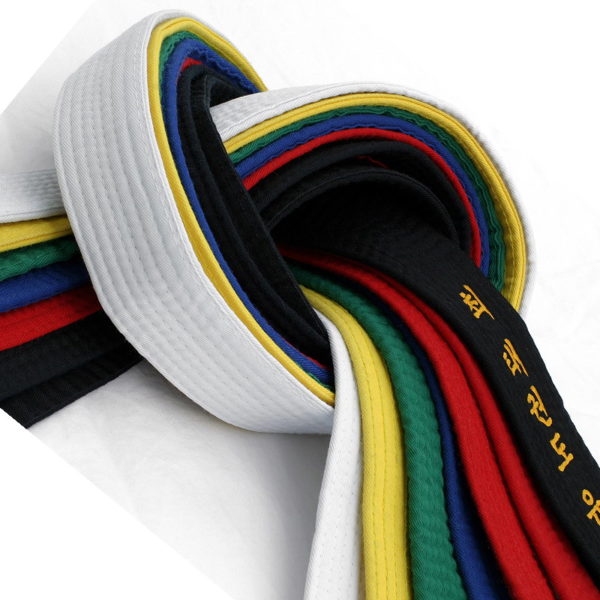
The aikido journey takes a lifetime, which is why it appeals to those who want to gain a deep understanding of this complex martial art. Progress isn't measured by a collection of coloured belts (though we always love it when our students pass their next grading), but in the way we see a student's character and demeanour grow.
✨ Aikido for Women and Girls
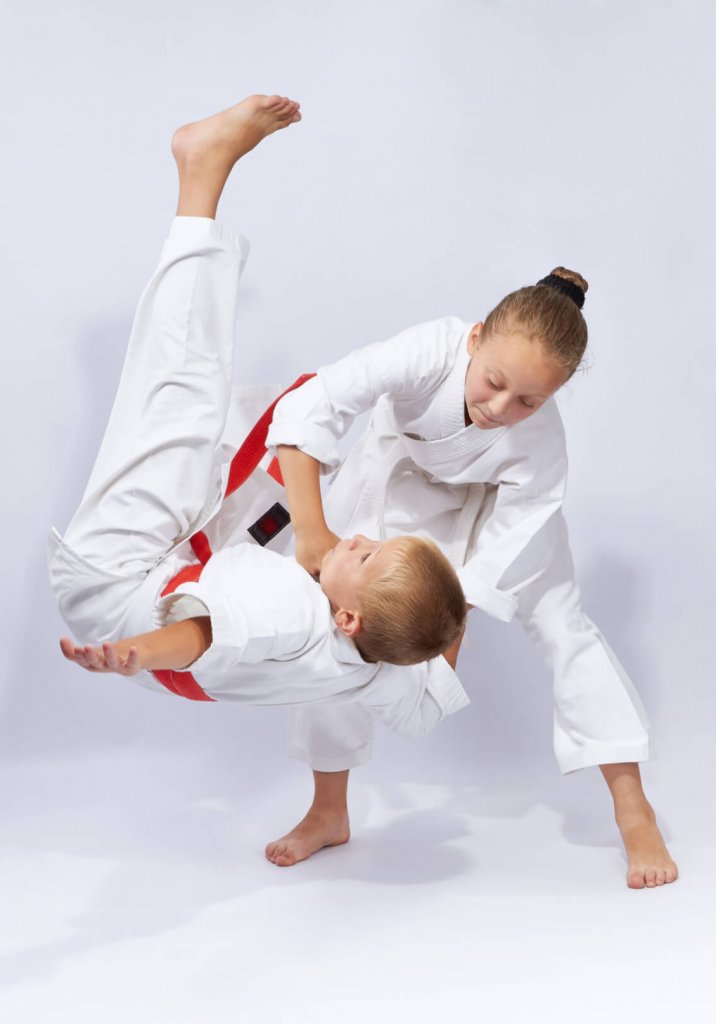
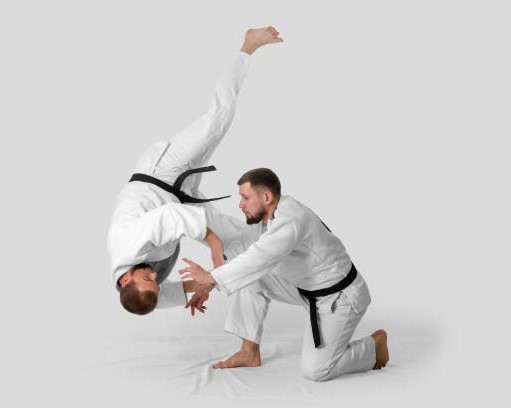
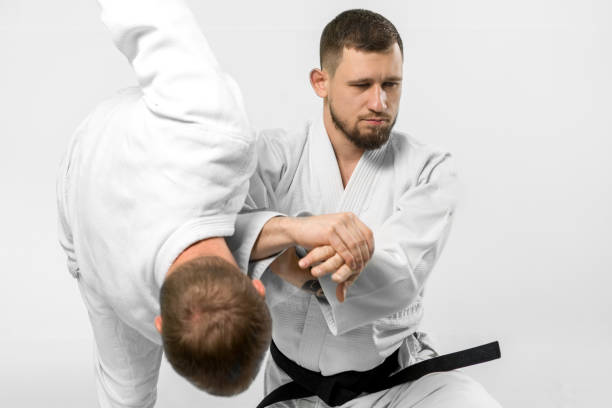
We reckon that aikido is the perfect martial art for women and girls, since it doesn't rely for its impact on size, weight, strength or aggression. Instead, it absorbs and deflects an assailant's own energy to neutralise an attack. A slightly built but skilled aikido practitioner can render an opponent harmless by applying a lock or throw without the need for significant muscle power. Indeed, we often observe that the best aikido is demonstrated by women and girls, since they have had to learn the subtler skills of aikido rather than (as their male training partners often do in the early stages of their aikido journey) just falling back on strength, muscle mass and size.
✨ Aikido Techniques
Aikido techniques are based on three simple “ABC” principles
Avoidance: Using taisabaki (whole body movement) and tenkan (circular turning) to move off the line of an attack with an empty hand or a weapon.
Blending/Balance: Blending with an attacker’s kinetic energy and transforming it from linear to circular energy in order to take him/her out of balance (kuzushi) and into a weak position.
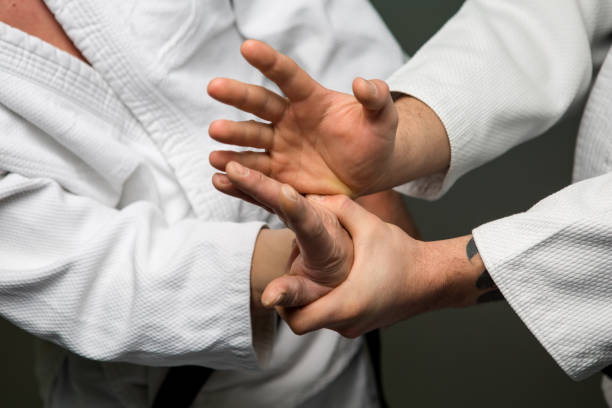
Control: Having redirected the opponent’s energy, then applying a lock or a throw to neutralise the attack.
Of course, as in yoga or tai chi, these simple principles take a lifetime to learn to apply correctly!