Why After School Art Club Is Great for Your Child’s Creativity and Confidence
And why art is just as important as STEM subjects
This blog won’t be anything new. You may find thousands of pieces that say the same thing: art is great for creativity. We all know that. And yet, despite this widespread agreement, art education is still often treated as an extra. Something nice to have or a fun little hobby. An optional add-on once the “important” subjects are taken care of.
But I’m here to say this clearly: art is not extra, it’s essential.
When we talk about children’s development, we often focus on academic achievement, future careers, and measurable success. We talk about STEM subjects — science, technology, engineering, and maths — as the foundation for the future. And while these subjects are incredibly important, what’s often overlooked is how deeply creativity, confidence, emotional wellbeing, and self-awareness support success in all areas of life, including STEM.
In this blog, I want to share my personal experience with art education and something I’ve noticed again and again: for the STEM-focused adults around me, art is what they all come back to.
Everyone finds their way into art earlier or later in life. Whether it’s picking up photography after completing a PhD in electrical engineering, or building a shed to practise woodworking while working as a software engineer in their 50s, people eventually discover that they need creative expression. Art becomes a place to slow down and a way to reconnect with themselves.
The aim here isn’t to suggest that every child should become an artist (not that there’s anything wrong with that — they’re my favourite kind of people). Rather, it’s about recognising the value of introducing creative practice earlier, not as an extra, but as a meaningful part of a child’s development.
Art Is Just as Important as STEM Subjects (STEAM, Not STEM)
Art education is often discussed in terms of creativity, but its benefits extend far beyond that single idea. When children practise art regularly, they develop a range of transferable skills that support learning in many areas.
Art encourages flexibility in thinking. Children experiment, adjust their approach, and respond to unexpected outcomes. They learn that there is more than one way to solve a problem and that exploring alternatives is part of the process.
These skills translate directly into STEM learning. Innovation, design thinking, and creative problem-solving are essential in science, engineering, and technology. Engineers and developers regularly test ideas, revise plans, and think visually or spatially — all skills that are developed through creative practice.
This is why many educators now talk about STEAM education, where art sits alongside science, technology, engineering, and maths. Art doesn’t replace STEM subjects, and it doesn’t compete with them. Instead, it supports them by helping children become more adaptable, confident learners.
When children are encouraged to think creatively, they are often better equipped to approach academic challenges with curiosity rather than fear. That combination can make a significant difference over time.
How After School Art Clubs Nurture Creativity
After school art clubs are particularly effective at nurturing creativity because of how they approach learning.
While the end result of a project may seem important, the main focus is often on the journey — the process it takes to paint a picture, shape a sculpture, or build something from scratch. This process naturally involves experimentation and play.
Children are encouraged to explore materials, make choices, and follow their curiosity. They learn through doing and trying again. Importantly, they also learn that there is no clear right or wrong, no right or wrong way to mix a colour or paint a flower.
What makes their work special is that they made it. It’s special that it’s their own interpretation of the subject.
For many children, this can feel like a breath of fresh air compared to a school environment that is academically challenging and heavily outcome-driven. Art clubs offer a space where children can express themselves freely and engage with learning in a more open and personal way.
Building Confidence Through Art
Confidence is often overlooked when we talk about art education, yet it’s one of the most consistent benefits I see.
Sports are frequently promoted as the main way to build resilience and confidence in children — and that can certainly be true. But art clubs are quite special in how they build confidence.
Through regular creative practice, children are able to see their progress in real time. They notice improvements, develop skills, and begin to understand that growth comes through practice. This visible progress helps them trust their own abilities.
Art also encourages children to rely on their intuition. They make independent choices and learn to stand by them. Because there is no single correct outcome, children feel less pressure and are more willing to stay playful and curious. Their confidence might show in small ways:
- They might show a piece of their artwork proudly.
- They will take their own initiative and will trust their ideas without asking for instructions.
- They will defend their creative decisions just because they like it their way.
What makes art particularly powerful is that it is deeply personal. Each piece is unique because each child is unique. Over time, this helps children become more self-sufficient and confident without needing constant validation.
This confidence often extends beyond the art room. Children who feel confident expressing themselves creatively are often more willing to participate in the classroom and engage with learning more broadly.
Art as a Tool for Emotional Regulation and Mental Wellbeing
Firstly, art is a powerful emotional regulation tool.
Children often create art that reflects what they are feeling or thinking at the time. This gives them a way to express emotions they may not yet have the words for. By putting feelings onto paper or into physical form, children can release emotions rather than bottling them inside.
This process helps children feel calmer and more balanced. Over time, it supports emotional literacy — the ability to recognise, understand, and communicate emotions. Research supports this: a large longitudinal study found that children who showed stronger ability in arts activities at age 10 went on to experience fewer behavioural difficulties by age 16, suggesting that early engagement with art can have lasting benefits for emotional regulation and wellbeing.
Great skills and high achievements will only take you so far. I believe we all know that at the end of the day, it’s all about how well we connect with others — and that’s where our emotional intelligence comes in.
In a world filled with academic pressure and increasing screen time, art clubs give children space to slow down. We all see how access to screens and social media is making children more anxious. Art offers a quieter, more grounded alternative — one that encourages focus and self-expression rather than constant stimulation.
Art Teaches Resilience, Risk-Taking, and Learning From Failure
Art is also an excellent way to build resilience.
It’s often thought that sports are what toughen children up. And while physical resilience is incredibly important, mental resilience is what helps children keep going when things are challenging.
Art naturally builds this kind of resilience. Creative work rarely goes exactly as planned. Children learn early on that improvement comes through practice and that trial and error is a normal part of the process.
If something doesn’t work, there is always another opportunity — another sheet of paper, another attempt, another idea to try. This provides children with a clear, physical example of learning through persistence.
Through constant practice, children learn how to take risks while remaining playful. They develop a healthier relationship with failure and begin to see it as part of learning rather than something to avoid.
The Power of Play in After School Art Clubs
Play, play, and more play!
Children are naturally playful and creative. They express themselves freely and don’t try to meet external standards. They simply know how to be themselves.
However, through school, children can slowly lose this quality. They begin to shape themselves into what they think is expected of them. Formal education, while important, often struggles to keep the play alive.
This is where art practice becomes so valuable. Art clubs offer a safe space without judgement or expectations. They allow children to preserve their sense of self and continue exploring the world with curiosity. In art clubs, a paintbrush might transform into a magic wand, a cardboard box into a spaceship, and a sculpture into the beginning of a story. There’s no judgement, no pressure, and no single correct outcome.
Play is the foundation of learning and discovery. It makes learning enjoyable and meaningful. Nurturing a positive relationship with learning early on can shape how children approach challenges for the rest of their lives — and art clubs are a wonderful place to start.
Why After School Art Clubs Support Academic Success
Interestingly, the qualities developed through art also support academic learning.
Over time, I’ve seen many adults crave that same safe, playful space that art provides. After the demands of adult life, creative practice becomes a way to rest the mind and find balance. For many, it feels almost meditative. It’s important for children to experience this too.
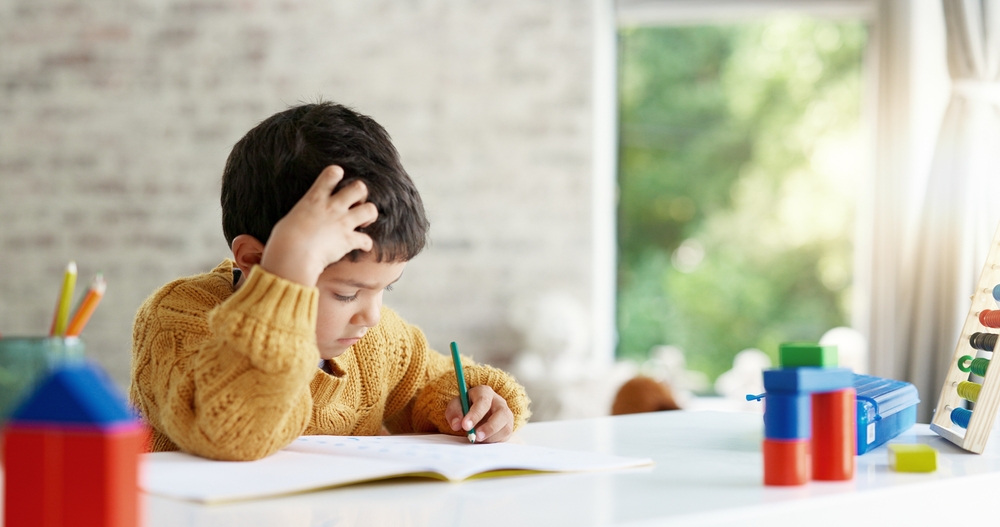
Through art, children practise focus and attention, often spending long periods absorbed in a task. This ability to concentrate can carry over into the classroom, helping them sit with schoolwork, homework, and learning activities for longer.
Art also helps children discover what they enjoy and what feels meaningful to them. Learning this about themselves early can shape how they engage with learning and, eventually, the choices they make later in life.
Final Thoughts: Helping Children Discover Art Earlier
Time and time again, I see adults returning to art later in life — searching for creativity, balance, and a sense of play they once had.
Introducing children to art early isn’t about turning them into artists. It’s about giving them tools for confidence, resilience, creativity, and wellbeing.
After school art clubs offer children a place to explore who they are, express themselves freely, and develop skills that will support them throughout their lives.
And that might be one of the most valuable gifts we can give them!
If you’d like to explore after school art clubs or creative classes for your child, Eequ is a great place to start.