What Makes a Great Grassroots Football Session? Advice from a Coach with 25 Years' Experience
What makes a great grassroots football session? Practical advice from Ash Rahman, founder of Pro Touch Soccer Academy, plus a sample one-hour plan you can use this week.
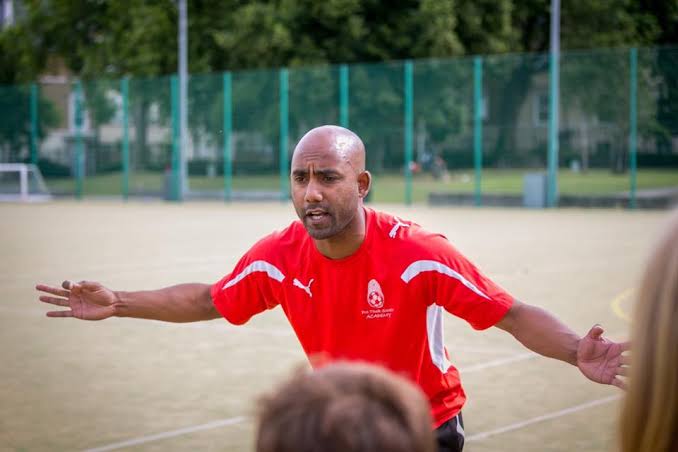
Children queuing for a turn, two or three players taking every touch and the rest drifting off: these are the familiar signs of a session that hasn't quite lived up to its potential. So what makes a great grassroots football session? Ash Rahman, who founded Pro Touch Soccer Academy in Camden and has 25 years of coaching experience, says it's all about understanding. Is your team made up of players just looking to have a fun kickabout, or something more serious? Understanding this and clearly reflecting it in your training plans is vital to a great session. This guide builds on that point, sharing more advice from Ash plus a sample one-hour plan you can use this week.
What makes a great grassroots football session?
A great session has a clear purpose. This was the main theme of my conversation with Ash. A summer camp group and an academy squad need different things, so start every session with a clear goal, whether that is match-day preparation or simply maximising fun.
Ash also stressed health and safety: bring a medical bag and check the pitch for hazards before children arrive.
⭐ Eequ Pro Tip: If a child takes a knock, log it as an incident report from the Eequ register on your phone and share it with the parent. They hear what happened from you the same day, and you have a record without a paper accident book.
The Football Association's four corner model is a useful check. It covers technical and tactical, physical, psychological and social progress. No area works in isolation, so a great session benefits players across all four.
How should you structure a grassroots football session?
Open with a fun warm-up, move to a short skills block, then spend the rest of the hour playing. Ash suggests 10 to 15 minutes of warm-up, 15 to 20 minutes of drills and around 10 minutes of structured games.
His warm-up is deliberately not all technical: a simple chasing or grab game gets everyone moving before any coaching points arrive.
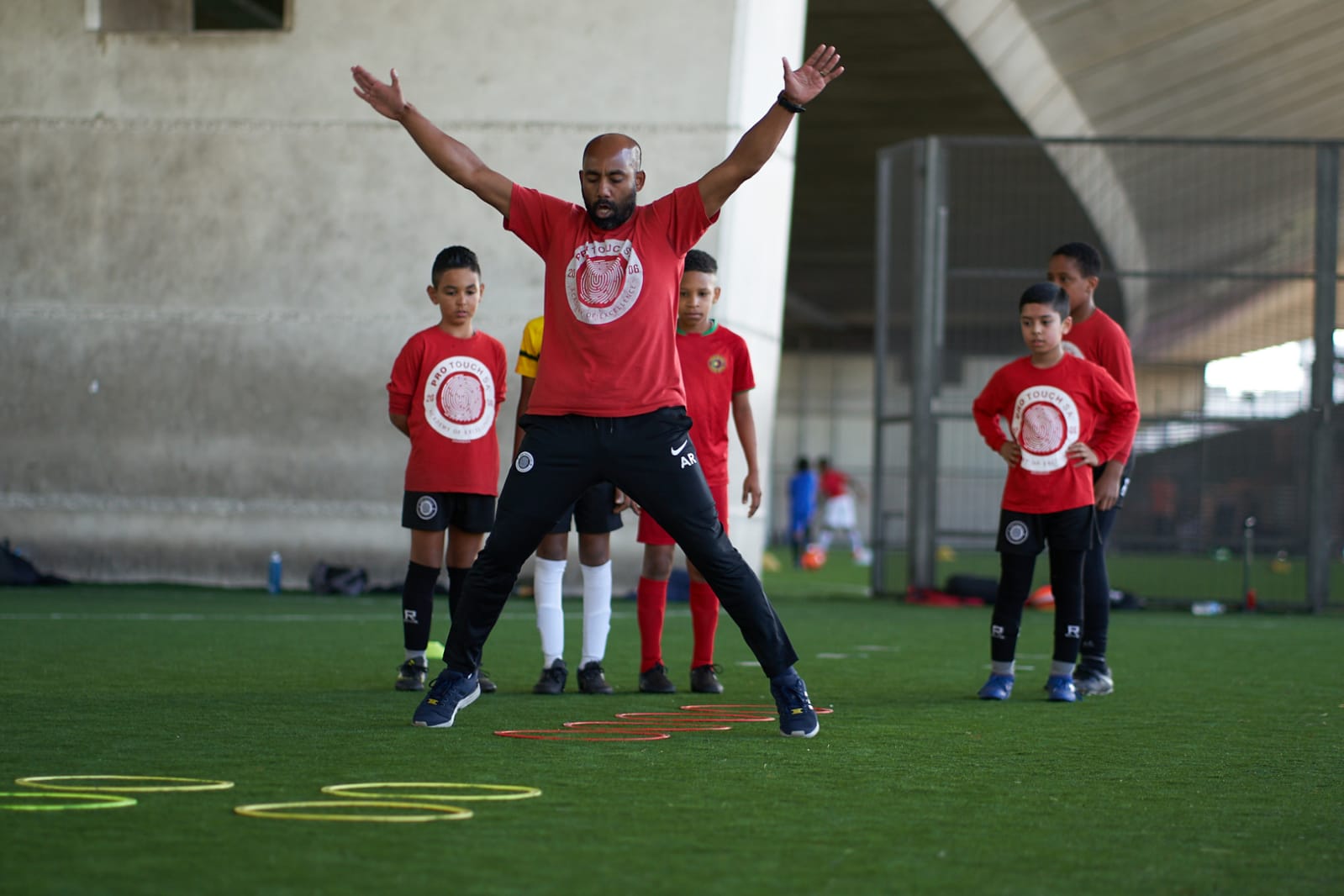
Here is a sample hour built on his shape, with a final game and a short finish added to fill the time.
- 10 minutes, fun warm-up: a chasing game gets everyone moving and enjoying themselves.
- 15 minutes, drills in small groups: one against one gives repeated touches and quick decisions.
- 10 minutes, structured games with conditions: children practise the skills under light pressure.
- 20 minutes, small-sided match with free play: children use what they have learned.
- 5 minutes, team huddle: feedback, and a say for every child.
Ash's main message is to understand the purpose of the session, then tailor the plan to it. If your group is new, tired or very young, shorten the drills first.
⭐ Eequ Pro Tip: When rain cancels a session, Eequ's bulk messaging lets you tell every booked family at once, instead of texting parents one by one.
Should a session be mostly games or drills?
It depends on your team and the purpose of the session, but lean towards games and keep drills short and purposeful. Ash's key question is "What is the strength of my group?"
Games help develop those strengths and let you experiment: he uses them to test children in new positions and see how well they improvise.
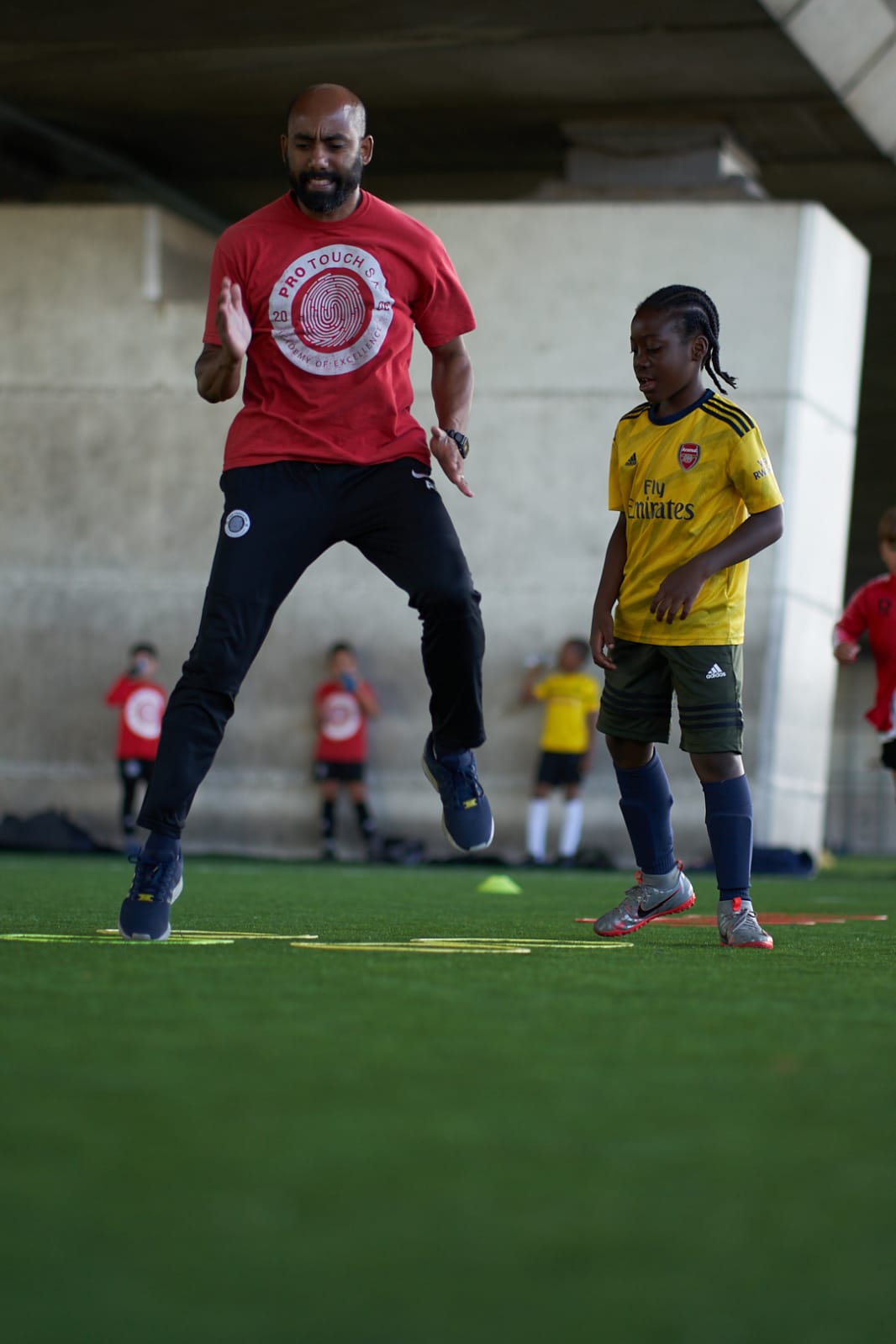
Group size matters too, as larger groups mean fewer touches per player. The Football Association says smaller formats such as three against three and five against five are great for maximising individual actions and developing control. They also keep younger children active, whereas standing in queues leads to distraction and lost focus.
How do you keep every child involved?
Keep groups small and rotate teams often to keep things moving. As the Football Association's model notes, a child can, for example, have strong technique but struggle with decisions under pressure.
Someone who looks uninterested in one drill may look keen in the next one, hence the need to rotate teams and vary conditions often. If new faces turn up on the day, our guide to handling walk-ins will help you fit them in.
Ash stresses that everyone has bad days and the important thing is to understand why, whether it is tiredness, bad luck or something more serious. Knowing your players well is key.
What should a coach say during a session?
It depends on the child. Ash says it "absolutely comes down to the individual", so learn who responds to direct feedback and who needs encouragement first.
Make praise specific, such as "I liked how you looked up before you passed". When things go wrong, ask "Where was the space?" instead of giving instructions. Giving children time to work things out will help any lessons stick in their minds.
How do you end a session so children want to come back?
As Ash says, "you can't please everyone", but a few quick practices help to build team spirit and give every player a stake in the club. Finish on a game the children love and tell them what is coming next week, so they have something to look forward to.
He also recommends getting everyone together at the end to give constructive feedback and make sure everyone is heard.
⭐ Pro Tip from Ash: Get all the children to say something positive about each other at the end of the session. This encourages them to look at what they can learn from their teammates and builds team spirit.
What mistakes do new grassroots coaches make?
The biggest mistake Ash sees is being too "driven to win". Coaches need to manage how they go about wanting to win and stay patient.
Chasing wins at the cost of everything else is how a few strong players end up dominating while the rest fall away, which is the problem this article began with.
More generally, Ash stressed the importance of staying open to learning as a coach, no matter how many years' experience you may have.
Frequently asked questions
How long should a football session be for under-8s?
An hour is a sensible ceiling, and 45 minutes suits very young groups. Shorten the drills first and keep the games.
What should I do if it's too wet to train?
Check health and safety first, as Ash does. If the surface is unsafe, cancel or move indoors with smaller games, and tell families early.
How many coaches do I need for a session?
The NSPCC, the UK children's charity, recommends at least two adults, even for small groups, and only people aged 18 or over count. For ages 4 to 8 it recommends one adult for every six children, and for ages 9 to 12, one for every eight. For more on checking your coaches, read our guide to Disclosure and Barring Service checks.
What format should under-8s play?
The Football Association sets five-a-side as the maximum for under-8s and under-9s. It is only a maximum, so smaller games in training are fine.
Spend your time on the session
Coaches should spend their time planning great sessions, not chasing bookings and payments. Eequ, the booking system for children's activity providers, holiday clubs, wraparound care and sports clubs, handles bookings, payments, live registers, waiting lists and messages to parents, so your energy goes into the session itself. See how Eequ works for football clubs.
Accurate as of October 2026. Always check England Football and NSPCC Learning for the latest guidance.
With thanks to Ash Rahman of Pro Touch Soccer Academy.