Little Yogis, Big Benefits: Why All Kids (and Adults) Should Practice Yoga
Yoga isn’t about perfect poses; it’s about presence, acceptance, and growth.
Find out how kids and adults alike can reap the lifelong benefits of mindfulness and movement.
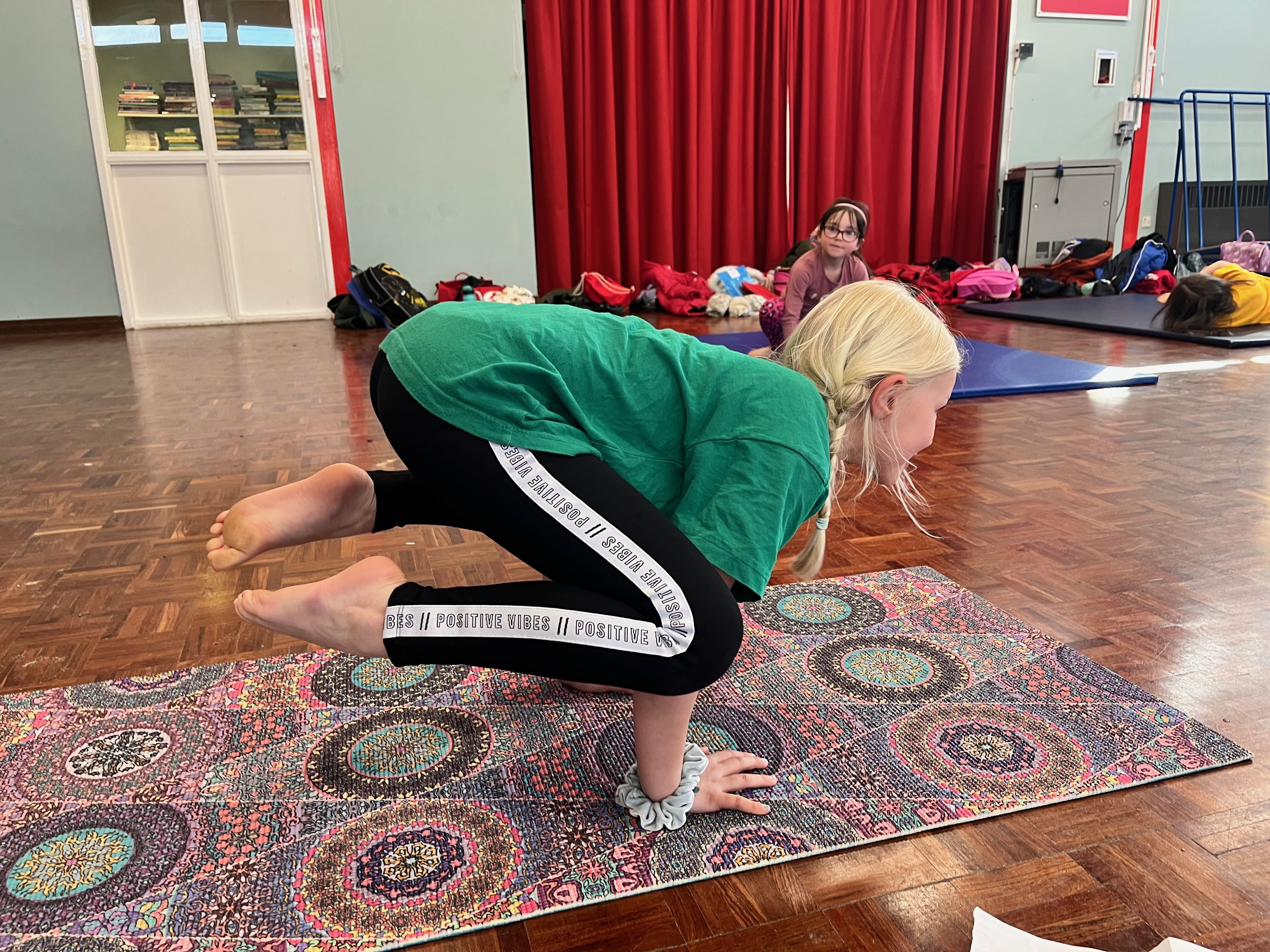
We are losing our children. Because they are not present. And neither are we.
Our worlds are full of distractions pulling us away from the here and now. Recent research shows how smartphones, alerts, notifications, endless marketing, and social media telling us what we should be doing, buying, or being pull us away from the present moment. So much so that we often forget to just be. It’s an era of un-presence; a lack of presence epidemic.
I have practiced yoga for over 15 years and taught children’s yoga classes for 5 of those. In that time, I’ve seen first-hand the profound impact yoga can have as an antidote to this epidemic. Yoga isn’t about flexibility or striking the perfect pose; a common misconception that keeps many people away from the real benefit of it. The heart of yoga is presence: getting us out of our heads and back into our bodies. Reconnecting with ourselves — so that we can better connect with others, here and now. Because now is all we have (read more).
Yoga Beyond the Poses: Presence Over Perfection
Have you ever sat on your phone for hours, doom-scrolling, only to suddenly look up and realise you’ve been completely disconnected? It’s relaxing in the moment but ultimately dissociates us from our own bodies, training us to be outside of ourselves. Yoga is the antidote.
Yoga isn’t about perfecting a pose; it’s about honouring your own version of it. Some days we might nail a headstand, other days this won’t be accessible at all and we won't know why. I have practised for many years and still cannot achieve Hanumanāsana, commonly known as the splits. But that’s ok, and I keep trying knowing that if I remove expectation and just honour exactly where I am with it, one day it might be accessible. Or maybe it won’t. Either way, I’m good with that.
Acceptance is the lesson here.
Acceptance is what children learn every day in kids yoga. They learn to embrace themselves as they are today; not clinging to who they were yesterday or feeling pressure about who they might be tomorrow. In doing so, they develop the ability to accept others and celebrate differences. Imagine a world where all of us walked around having accepted ourselves exactly as we are?
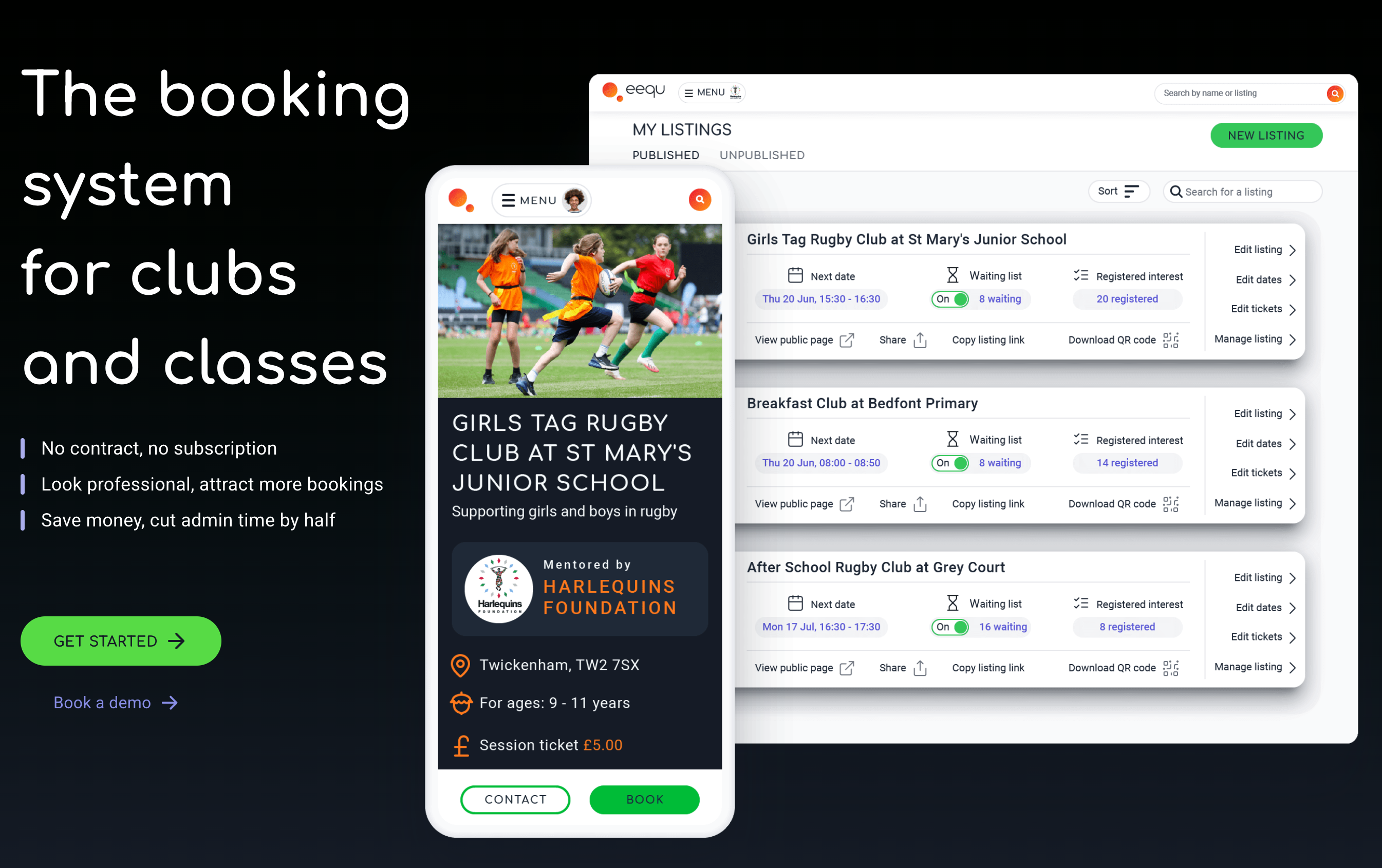
Simplify Your Children’s Yoga Classes with Childcare Management Software
Running children’s yoga classes can be joyful; but managing bookings, attendance, and payments can quickly become overwhelming. With an efficient childcare management software or activity booking system like Eequ, yoga teachers can easily plan and offer sessions for kids, ensuring every child has the chance to enjoy the benefits of yoga. Spend less time on admin and more time on creating mindful, fun experiences for your little yogis.
Are You a Yogi? Or Know Someone Who Is?
If you’re passionate about teaching kids yoga, or know someone who is, Eequ makes it simple to start teaching today. Our easy-to-use platform helps you manage bookings, communicate with parents, and grow your children’s yoga classes effortlessly. Bring the joy of yoga to more children while keeping your teaching schedule stress-free.
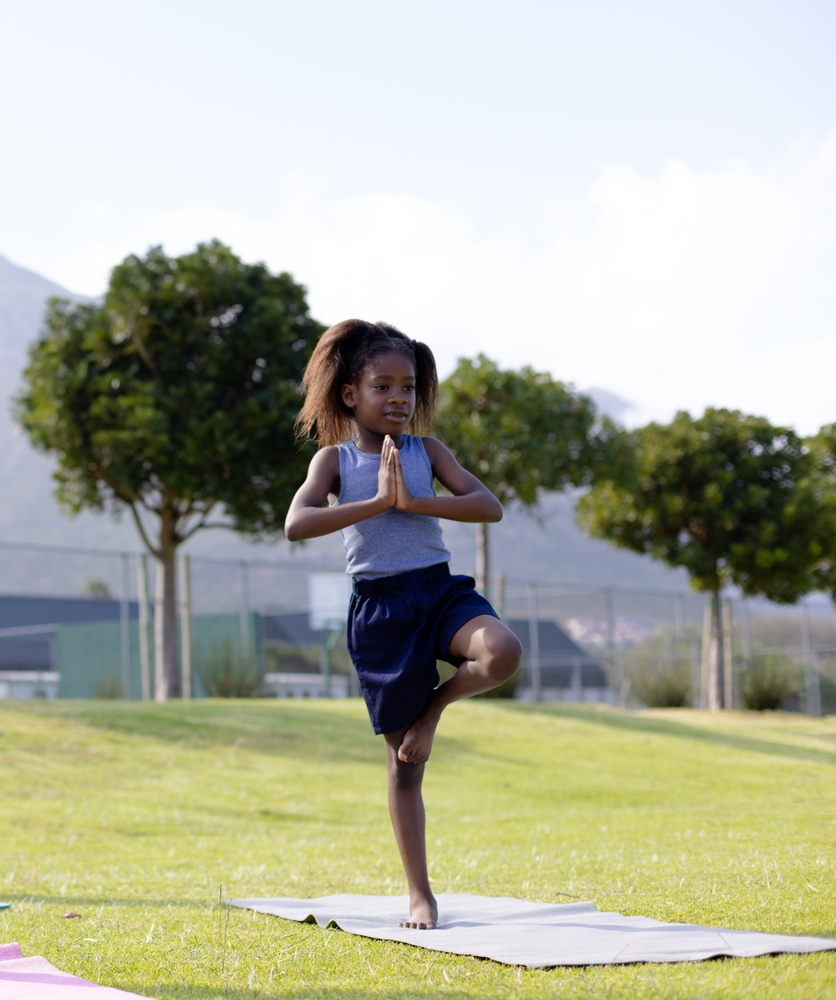
Celebrating Uniqueness: Lessons from Tree Pose
Nobody performs a pose the same way. Nor is there only one way to teach a pose. When I teach children tree pose, each child’s tree is different: some have low branches, some high; some wobble, some stand tall.
Take Todd and Emily:
- Todd is tall and strong, with branches reaching high but roots that wobble in the wind.
- Emily is small and shy, with solid roots and branches stretching toward the sunshine, even when she closes her eyes she does not wobble.
Both are strong, both are beautiful, both are learning presence and acceptance.
The lesson here? Just like the trees in nature, so too are we all different. Noticing and celebrating our own difference along with that of others becomes easy when you yoga. Yoga teaches children to notice and celebrate differences; in themselves, in their peers, and in the world around them. This skill — self-acceptance and valuing diversity — is something children carry with them for life.
As for Emily? She is strong, she is resilient. But you wouldn’t know it, and nor did she. Until she executed tree pose in my children’s yoga classes. But she knows now, and that has been the simple yet profound gift of yoga for her. When she needs reminding, she stands strong in tree pose, and she is indestructible!
The Power of Play: Learning Through Yoga
Yoga is also about play. A key yoga ethic we learn when teaching is called ‘Lillia’, which translates to the word play. When we remove expectation and allow children to explore movement freely, they discover abilities, resilience, and joy they didn’t know they had.
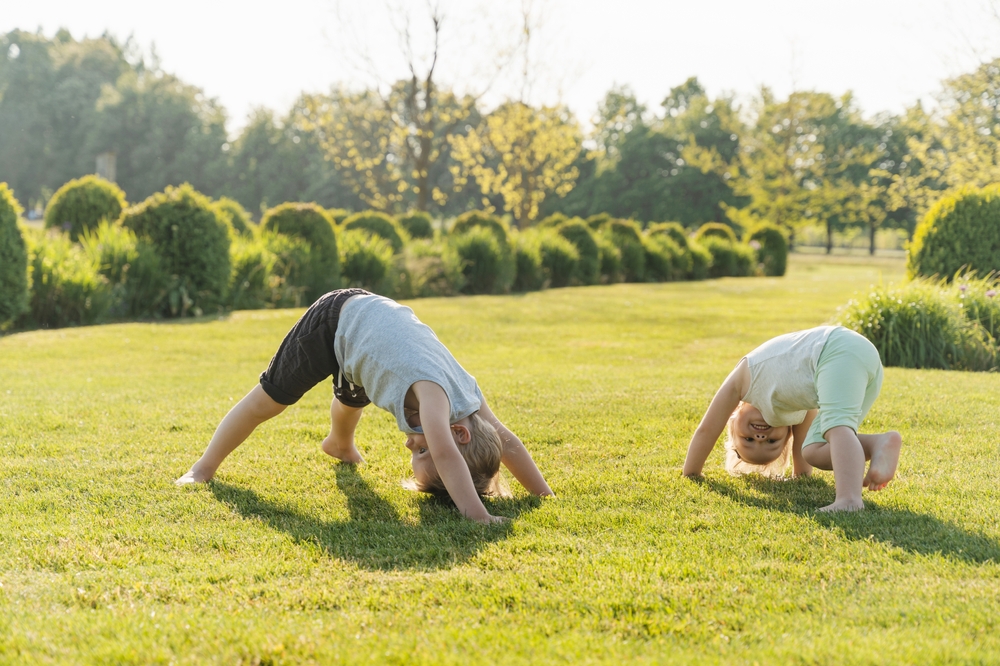
Play in yoga teaches:
- Creativity
- Problem-solving
- Emotional regulation
- Confidence
This aligns with research on the importance of play in childhood development. UNICEF highlights play as essential for learning and child mental health. The ethos of play in yoga shows that growth doesn’t have to come from pressure or perfection. It comes from exploration, curiosity, and joy. We learn best through play.
Yoga for Adults: Mindfulness and Stress Relief
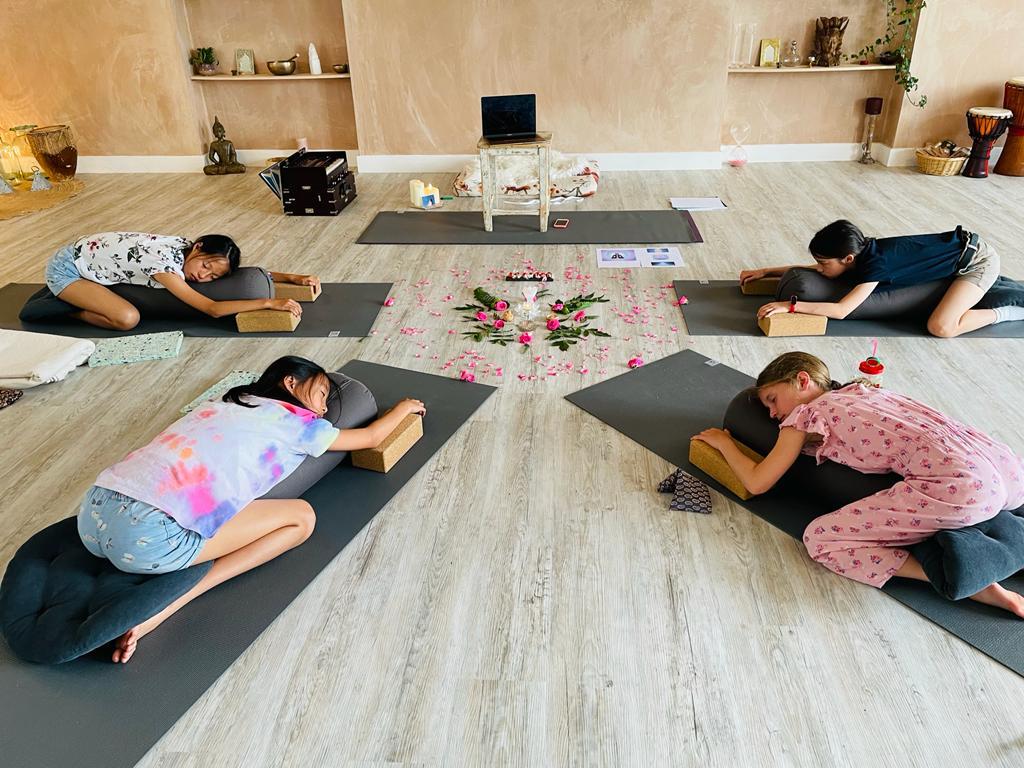
Yoga isn’t just for kids. Adults benefit immensely, especially in today’s fast-paced, always-on world. Practicing yoga regularly can:
- Reduce stress and anxiety
- Improve focus and concentration
- Enhance mind-body awareness
- Improve physical health and posture
Even short yoga sessions help adults reconnect with their bodies and minds. According to Harvard Health, yoga improves flexibility, balance, and mental health. Practicing alongside children can be doubly rewarding, creating shared experiences that strengthen family bonds and teach mindfulness for children and adults in a fun, engaging way.
The Ethics of Yoga: Life Lessons on the Mat
Yoga is more than poses. In fact, it’s not really about poses at all. It’s a practice that teaches ethics and life skills. When I am on my mat — I am safe. In this small rectangle I can play, try, and practise things. I can fall and I can wobble and I can find different ways. It is an opportunity for me to practice and learn things before I take this learning out into the wider world.
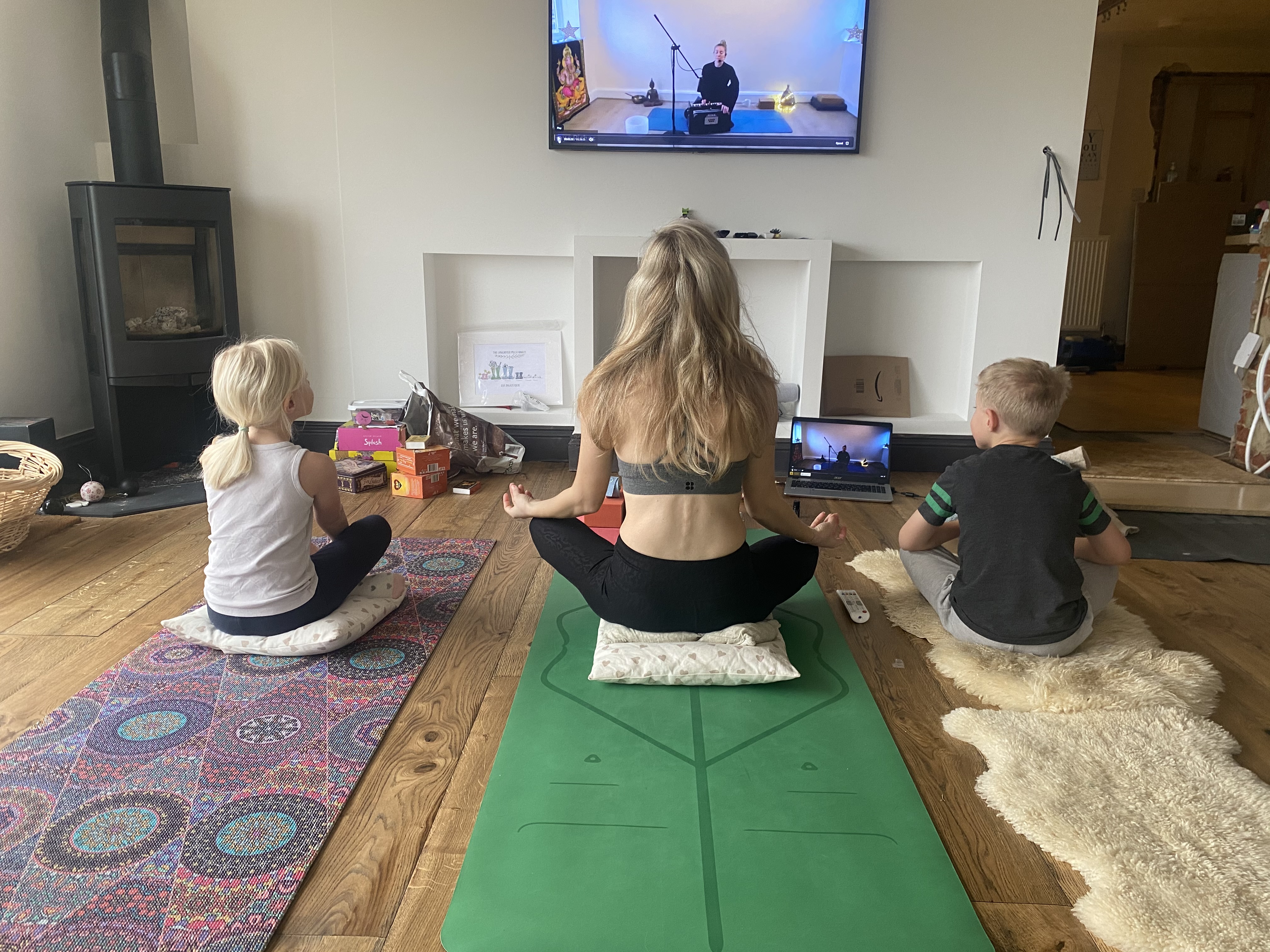
Yoga teaches children that:
- It’s okay to make mistakes
- It’s okay to have hard days
- Being yourself is enough
- Asking for help is encouraged
- We can start over whenever we want
- It’s good to take time to practice and learn from it
By practicing on the mat, children and adults develop resilience, patience, and self-awareness; skills they can carry into school, work, and daily life. This is the art of mindfulness, and according to NHS England, activities such as yoga can help reduce stress, improve mood, and support overall mental wellbeing.
How to Start Yoga for Kids and Families
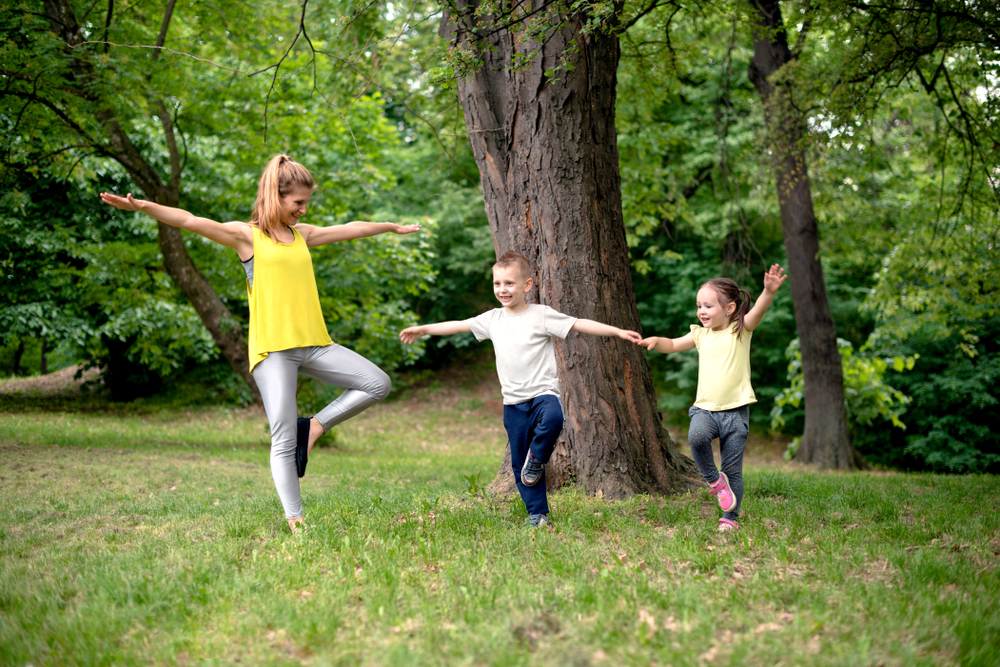
Starting a yoga routine doesn’t have to be complicated:
- Find a class nearby – Local yoga studios often offer children’s yoga classes and family sessions. Platforms like Eequ make booking easy, with automated scheduling, reminders, and secure payments.
- Practice at home – Resources like Yoga with Adrienne or Cosmic Kids Yoga are popular and beginner-friendly.
- Keep it short and playful – 20–30 minutes is enough for younger children.
- Introduce poses gradually – Tree pose, cat-cow, downward dog, and simple balances.
- Encourage presence and reflection – Ask children how they felt during the session.
- Make it a routine – Consistency is key for mindfulness and self-regulation.
Technology: From Distraction to Enabler
It’s true; technology has often been seen as a distraction, especially for children. Screens can pull kids away from the present moment, and as adults, we all worry about the impact digital overload has on attention, connection, and wellbeing. How do we be in the world we are in?
The answer lies not in rejecting technology outright, but in harnessing it wisely. Technology can play a vital role in helping camps, clubs, and activity providers deliver truly enriching experiences and spreading the message about these far and wide. Modern management tools like Eequ simplify the logistics behind the scenes — from childcare management and activity booking to communication with families — allowing instructors and staff to focus on what matters most: the kids.
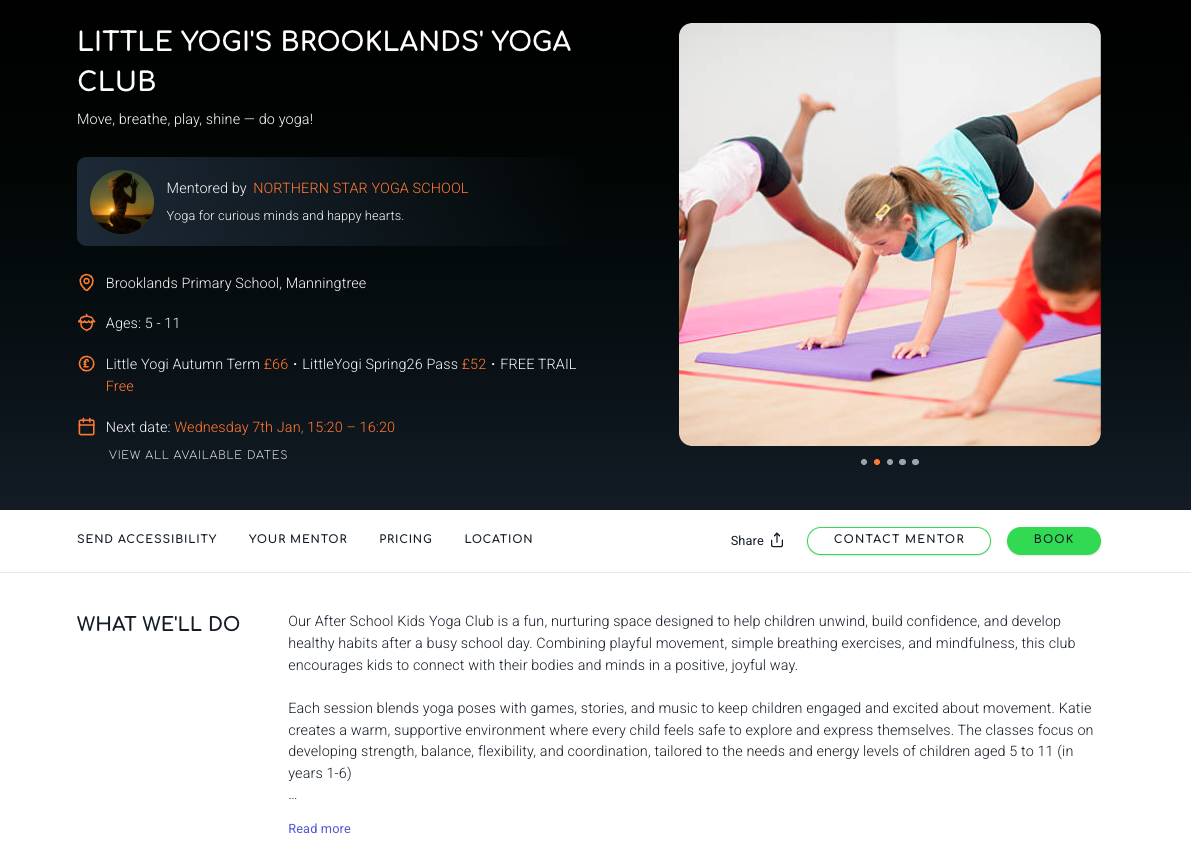
With intuitive booking and childcare management features, Eequ helps you streamline your operations so you can spend less time on admin and more time creating meaningful, growth‑focused experiences for children. In other words, technology doesn’t have to be a distraction. When used well, it enhances engagement, accessibility, and the overall impact of your programming.
Conclusion: A Mindful Future Starts on the Mat

Yoga teaches presence, acceptance, play, resilience, and connection — for children and adults alike. In a world full of distractions, it offers a sanctuary where we can learn to be ourselves and celebrate the uniqueness of others.
Imagine a world where every child grows up knowing how to accept themselves and others. Where adults model mindfulness and self-awareness. Where families connect, play, and grow together. That world starts with a single yoga session.
Whether you’re a parent, teacher, or adult seeking balance, yoga is for everyone. And platforms like Eequ make it easier than ever to find, book, and enjoy these transformative children’s yoga classes.
Start today. Take the first step onto the mat, and watch the benefits unfold — for you and the little yogis around you.